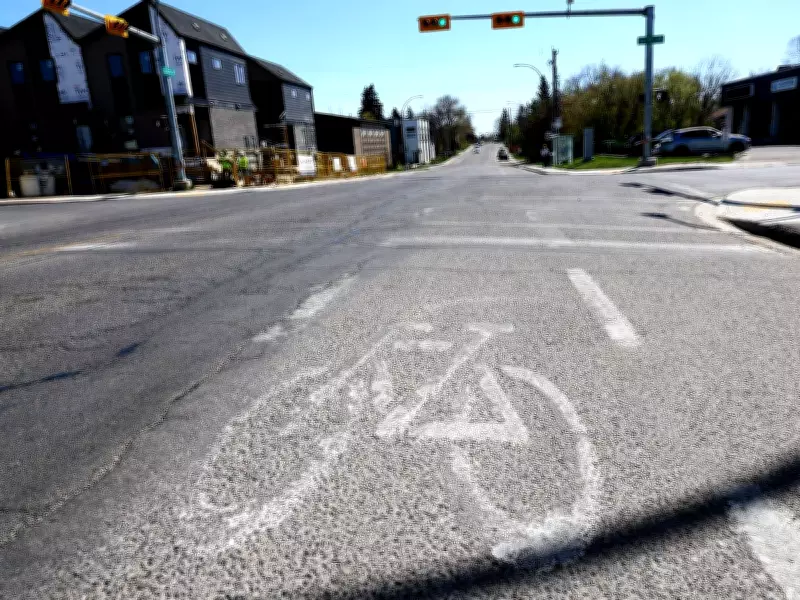
A new conflict has erupted in Alberta over bike lanes, pitting the provincial government against Calgary's city leadership. The dispute centers on proposed legislation that would give the province greater control over the installation and removal of bike lanes, a move that has drawn sharp criticism from Calgary Mayor Jeromy Farkas.
Provincial Plans for Bike Lane Oversight
Transportation Minister Devin Dreeshen announced that the Alberta government will introduce a law in the fall to regulate bike lane projects. The legislation, still being finalized, aims to allow the province to review new bike lane plans and potentially remove existing ones deemed unnecessary. Dreeshen argued that reducing vehicle lanes for bike lanes is counterproductive, especially when usage numbers are low. He emphasized the need to expand road capacity rather than shrink it, given the increasing number of vehicles on the road.
Mayor Farkas Responds
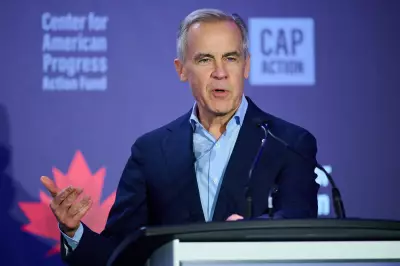
Calgary Mayor Jeromy Farkas, once known as a conservative firebrand, now finds himself defending bike lanes—a position more aligned with his predecessor, Naheed Nenshi, and the Alberta NDP. Farkas dismissed the bike lane controversy as a distraction, suggesting it is a symbolic gesture by Premier Danielle Smith's government to divert attention from other issues. He claimed that few Calgarians are talking about bike lanes, a statement contradicted by the widespread media coverage and public debate.

Political Reactions
The NDP has rallied behind bike lanes, with MLA Heather Sweet criticizing the Smith government's stance. Sweet argued that the province's hostility toward bike lanes threatens children's safety when cycling to school. She described the government's approach as a "pity party" and accused them of prioritizing vehicles over sustainable transportation. The NDP held a defense of bike lanes at the legislature, highlighting the issue's political significance.
Public and Media Attention
Despite Farkas's claims, the bike lane story has garnered significant attention. On Tuesday, journalists in Calgary questioned Farkas about the issue, while in Edmonton, Dreeshen faced similar inquiries. The story has become a focal point in the ongoing debate over urban planning, environmental policy, and provincial-municipal relations. Critics of the province's plan argue that bike lanes promote healthier, more sustainable communities, while supporters believe they hinder traffic flow and are underutilized.
Looking Ahead
As the fall legislative session approaches, the bike lane debate is expected to intensify. The outcome will have implications for Calgary's infrastructure and the broader relationship between the provincial government and municipalities. For now, both sides remain entrenched, with the battle lines clearly drawn over the future of cycling in Alberta's cities.