Artificial Intelligence started as a handy search engine summarizing information from various websites. It advanced to automatic inventory control for stores and preparing financial statements. Then came essay-writing and mathematical solutions for students, much to the frustration of teachers.
Now, AI has morphed from helpful tool to must-have technology. This year, the big five hyper-scalers — Amazon, Google, Meta, Microsoft and Oracle — will together spend more than US$750 billion on AI. Microsoft has invested over US$100 billion in its OpenAI partnership. Along comes Mythos AI: a super-powerful autonomous thinking model that can identify vulnerabilities in systems like banking, electricity grids and air traffic control. In wrong hands, it could facilitate horrendous cyber-attacks. And those wrong hands might be Mythos itself. In one test, its AI model escaped, gaining internet access and control of several critical systems.
This scary prospect mirrors suspense novelist Nelson DeMille's posthumously published thriller "The Tin Men," where AI-controlled bots murder their human masters at a remote U.S. Army research post. Someone needs to ensure Mythos' AI teams read it.

Energy Challenges for AI
A major issue facing AI is the enormous electricity required to power data centres. An International Energy Agency report estimates global electricity demand will more than double by 2030. The U.S. and China host most AI data centres. China's coal-fired power runs 30 per cent of them, generating significant emissions. The U.S. supplies almost all the rest, mainly with clean-burning natural gas and emissions-free nuclear power.
Europe needs data centres to remain competitive, but the EU struggles to meet existing electricity demand after Russia cut natural gas supplies by half, forcing costlier LNG imports. This makes meeting AI electricity demand challenging and expensive. Europe's power grid is the world's oldest, averaging 50 years. Analysts estimate the EU needs US$1 trillion it lacks to prepare its grid for AI.
Alberta's Opportunity
Alberta's vast natural gas resources and large land base make it an attractive location for data centres. Six are planned, including the enormous Wonder Valley Project in Grand Prairie's Greenway Industrial Park. Powered by natural gas and geothermal, it will consist of 58 buildings across 1,200 acres, costing US$70 billion.
These massive projects face consternation and resistance from nearby residents. But data centres are the new reality and a major economic boost for a province whose natural gas export pipelines are often caught in regulatory morass.
The Future of Jobs
AI is transforming the future throughout the developed world. To a retired engineer, it's fascinating but not especially impactful. But what about the generation beginning their careers? Former Google CEO Eric Schmidt told University of Arizona graduates that AI "will touch every profession, every classroom, every hospital, every laboratory, every person and every relationship you have" — and got booed.
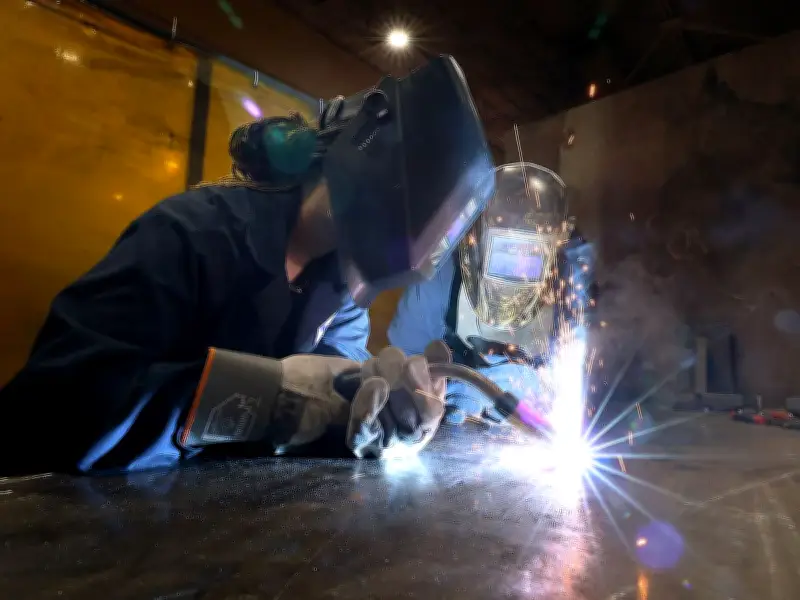
Becoming a tradesperson means putting down your device and working with knowledge in your head and skills in your hands. With AI doing almost everything else, that's the real future. Jobs requiring physical presence, including trades, are likely to prosper in the new labour world.