

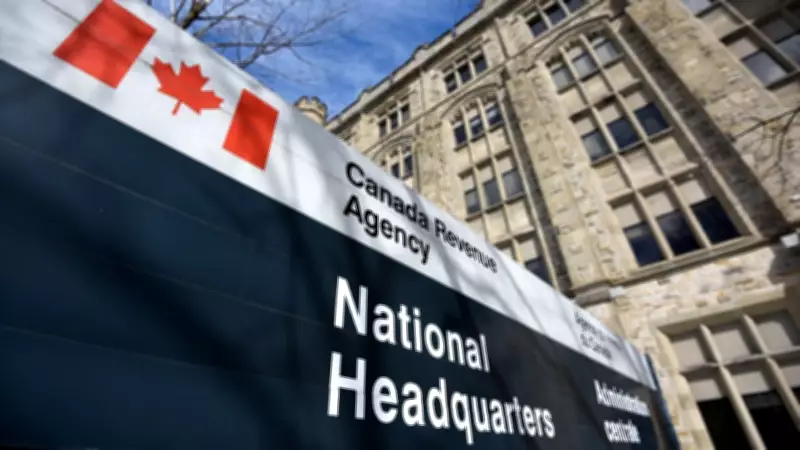
Navigating the Consequences of Missing Canada's Tax Filing Deadline
As the annual tax deadline approaches, many Canadians find themselves scrambling to organize receipts and complete their returns. Financial expert Christopher Liew provides crucial insights into what happens when taxpayers miss this critical deadline with the Canada Revenue Agency (CRA). The repercussions extend far beyond simple paperwork delays, potentially impacting financial stability for years to come.
Immediate Financial Penalties and Interest Charges
Missing Canada's tax deadline triggers immediate financial consequences. The CRA imposes a late-filing penalty of 5% of your balance owing, plus an additional 1% for each full month your return is late, up to a maximum of 12 months. This means if you owe $5,000 and file six months late, you could face a penalty of $800 (5% + 6%) on top of your original tax debt.
Additionally, the CRA charges compound daily interest on any unpaid amounts from the filing deadline date. This interest rate is reviewed quarterly and typically exceeds standard bank rates. "Many taxpayers underestimate how quickly interest accumulates," warns Liew. "What begins as a manageable debt can balloon into a significant financial burden within months."

Long-Term Repercussions and CRA Enforcement Actions
The consequences extend beyond immediate penalties. The CRA may withhold benefit payments such as the Canada Child Benefit, GST/HST credit, and Old Age Security until your return is filed. For self-employed individuals and business owners, repeated late filings can trigger more frequent CRA reviews and audits.
In severe cases, the CRA can take legal collection actions including:
- Garnishing wages and bank accounts
- Placing liens on property and assets
- Referring accounts to collection agencies
- Pursuing legal judgments in court
"The CRA has extensive powers to collect outstanding tax debts," explains Liew. "They can access financial information from banks and employers without a court order, making avoidance increasingly difficult."
Special Considerations and Proactive Solutions
Certain taxpayers face unique challenges. Self-employed individuals have until June 15 to file, but any balance owing still accrues interest from April 30. Those expecting refunds face no penalties for late filing, but delay receiving money that could be earning interest elsewhere.
Liew recommends several proactive strategies:
- Set up a payment arrangement with the CRA before the deadline if you cannot pay in full
- File your return on time even if you cannot pay the full amount owed
- Consider requesting taxpayer relief in cases of extraordinary circumstances
- Consult with a tax professional if you anticipate difficulties meeting the deadline
"The most important step is communication," emphasizes Liew. "The CRA is often willing to work with taxpayers who demonstrate good faith efforts to resolve their tax obligations. Ignoring the problem only compounds the difficulties."
With proper planning and timely action, Canadians can avoid the significant financial and administrative burdens associated with missing tax deadlines, ensuring compliance with CRA requirements while protecting their financial wellbeing.






