

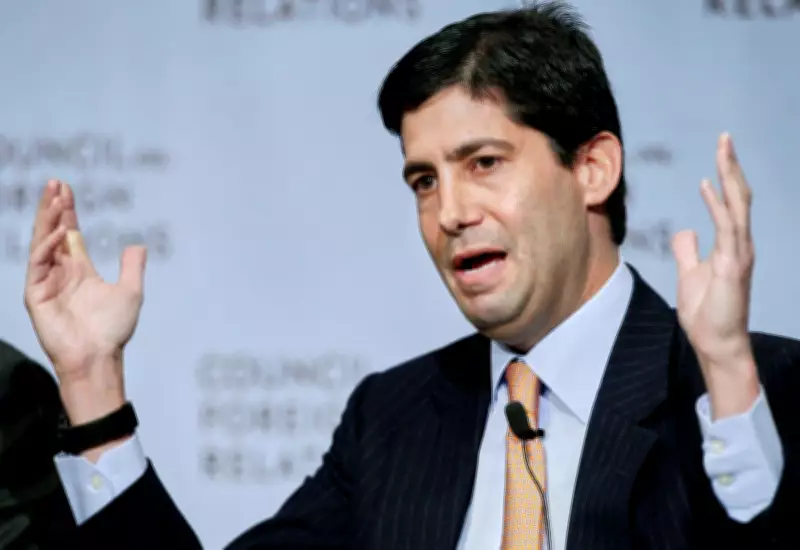
Navigating the Delicate Balance: Kevin Warsh and the Future of Federal Reserve Independence
The potential nomination of Kevin Warsh as the next chair of the Federal Reserve presents a significant challenge at the intersection of monetary policy and political influence. As a visiting fellow at the Hoover Institution and former Federal Reserve governor, Warsh's expertise is widely acknowledged. However, his appointment would occur within a highly charged political environment, raising critical questions about the preservation of the central bank's cherished independence.
The Historical Context of Fed Autonomy
For decades, the Federal Reserve has operated with a degree of independence from direct political control, a principle designed to insulate monetary policy from short-term electoral cycles. This autonomy allows the Fed to make difficult decisions regarding interest rates and economic stability without immediate political repercussions. The tradition of non-partisan leadership has been a cornerstone of U.S. economic policy, fostering market confidence both domestically and internationally.
Former Bank of Canada Governor Mark Carney has publicly endorsed Warsh, calling him a "fantastic choice" for the position. This endorsement from a respected figure in global central banking underscores Warsh's professional qualifications. Yet, the political landscape into which he would step is markedly different from previous transitions, characterized by heightened demands for policy alignment with administration objectives.

The Political Pressure and Economic Imperatives
The incoming administration has consistently expressed strong views on monetary policy, including desires for lower interest rates to stimulate economic growth. These demands create a complex environment for any Fed chair, requiring a careful balancing act between political expectations and economic fundamentals. Warsh's challenge would be to navigate these pressures while upholding the institutional integrity of the Federal Reserve.
Market analysts are closely watching this situation, understanding that the Fed's credibility directly impacts financial stability. Any perception of diminished independence could lead to increased market volatility and affect long-term investment decisions. The central bank's role in controlling inflation and managing employment levels remains crucial, particularly in uncertain economic times.
The Broader Implications for Global Finance
The Federal Reserve's decisions reverberate far beyond U.S. borders, influencing global interest rates, currency values, and capital flows. International observers, including central bankers and finance ministers, are monitoring this leadership situation closely. The manner in which the Fed maintains its independence under new leadership will set important precedents for central banking worldwide.
As the situation develops, several key factors will determine the outcome:
- The specific policy directives and public statements from the administration regarding monetary goals
- Warsh's public responses and policy statements during the confirmation process
- Market reactions to potential shifts in Fed governance and policy direction
- The response from Congress and its oversight committees regarding Fed independence
- International market confidence in U.S. monetary policy stability
This leadership transition occurs against a backdrop of significant economic challenges, including inflationary pressures, employment concerns, and global economic uncertainty. The Federal Reserve's ability to address these issues effectively depends largely on maintaining its operational independence while responding appropriately to legitimate democratic oversight.
The coming months will reveal how this delicate balance is struck, with implications for economic stability, market confidence, and the future of central banking independence in an increasingly politicized environment.






