

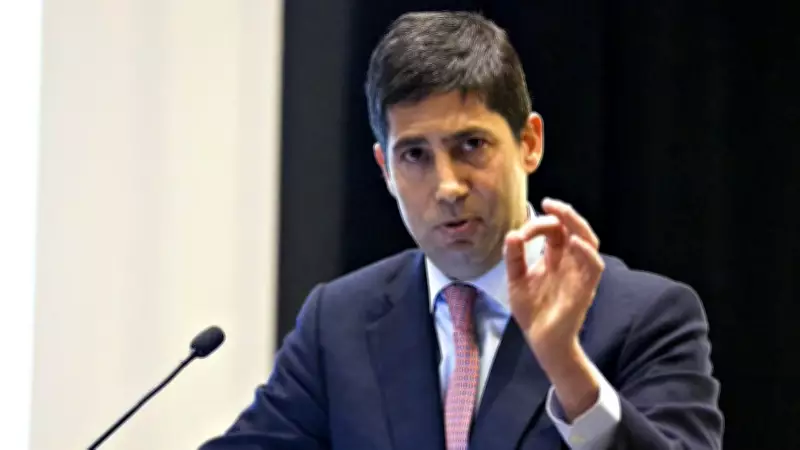
Fed Chair Nominee's Push for Smaller Central Bank Balance Sheet Meets Complex Reality
Kevin Warsh, the prominent nominee for Chair of the United States Federal Reserve, has signaled a potential shift in monetary policy direction that could have significant implications for global financial markets. As reported by Reuters, Warsh appears inclined toward reducing the Fed's substantial balance sheet holdings, a move that represents a departure from the expansionary policies of recent years. However, financial analysts and economists are cautioning that implementing such a reduction presents considerable challenges that may limit how aggressively the central bank can proceed.
The Scale of the Federal Reserve's Current Holdings
The Federal Reserve's balance sheet has expanded dramatically since the 2008 financial crisis, reaching unprecedented levels through multiple rounds of quantitative easing. These asset purchases, primarily consisting of Treasury securities and mortgage-backed securities, were designed to stimulate economic growth during periods of financial stress. The current portfolio represents a significant portion of the overall bond market, creating complex interdependencies between central bank policy and broader financial stability.
Warsh's perspective on balance sheet normalization reflects a more hawkish approach to monetary policy than some of his predecessors. His background as a former Fed governor and his experience in financial markets suggests he may prioritize reducing what some critics have called the Fed's "bloated" balance sheet. This position aligns with concerns about potential long-term inflationary pressures and distortions in asset pricing that can result from sustained central bank intervention in markets.

Implementation Challenges and Economic Risks
Despite the theoretical appeal of balance sheet reduction, practical implementation presents multiple obstacles. Financial market stability remains a primary concern, as aggressive selling of assets could trigger volatility in bond markets, potentially increasing borrowing costs for governments, businesses, and consumers. The timing of any reduction program would need careful consideration, particularly given current economic conditions and the potential for unintended consequences.
Another significant challenge involves communicating policy shifts effectively to avoid market disruptions. The Federal Reserve has learned from previous "taper tantrum" episodes that even subtle changes in policy language can trigger substantial market reactions. Any balance sheet reduction program would require meticulous forward guidance and gradual implementation to prevent destabilizing financial markets.
Broader Implications for Monetary Policy
The debate over balance sheet reduction occurs within a larger context of monetary policy normalization. As the economy continues to evolve, central bankers must balance multiple objectives:
- Controlling inflation while supporting employment growth
- Maintaining financial stability during policy transitions
- Managing the normalization of interest rates alongside balance sheet adjustments
- Coordinating with global central banks to minimize cross-border spillover effects
Warsh's nomination comes at a critical juncture for monetary policy, with the Federal Reserve navigating the aftermath of pandemic-era stimulus measures. His approach to balance sheet management will likely influence not only U.S. economic conditions but also global capital flows and exchange rate dynamics. The complexity of unwinding years of accommodative policy suggests that any reduction program will need to be measured, transparent, and responsive to evolving economic data.
As the confirmation process proceeds, market participants will closely monitor Warsh's testimony and statements for further details about his proposed approach to balance sheet management. The ultimate implementation of any reduction strategy will depend on numerous factors, including economic growth trajectories, inflation developments, and financial market conditions in the coming months and years.






