

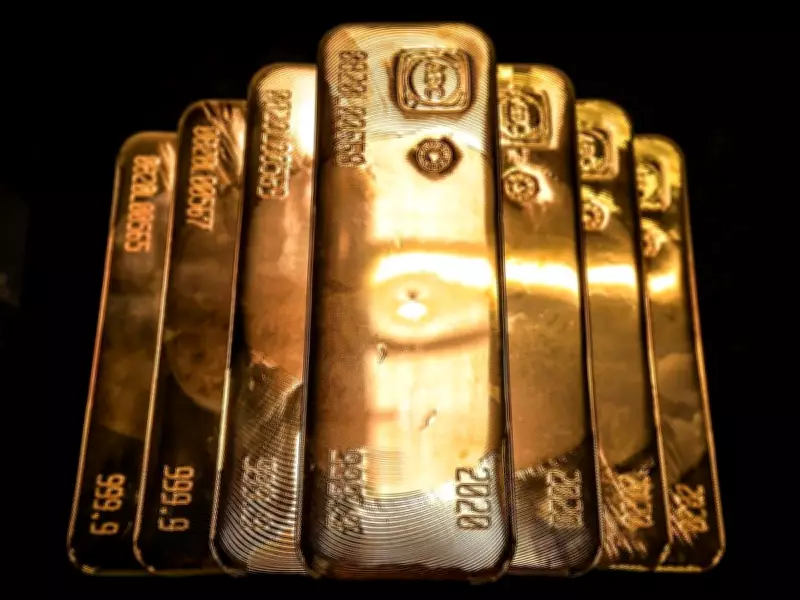
Geopolitical conflicts and escalating global tensions are serving as primary catalysts for the dramatic surge in gold prices, according to financial analysts and market experts. As investors seek safe-haven assets amid worldwide uncertainty, the precious metal has experienced significant upward momentum, with forecasts suggesting this trend may continue in the foreseeable future.
The Safe-Haven Appeal of Gold During Turbulent Times
Theo Yameogo, Ernst & Young's Americas Metals and Mining leader, has provided critical insights into the current trajectory of gold prices. Yameogo emphasizes that historical patterns demonstrate how gold consistently attracts investment during periods of international conflict and economic instability. "When geopolitical tensions rise, investors naturally gravitate toward assets perceived as stable stores of value," Yameogo explains. "Gold has maintained this reputation for centuries, making it particularly attractive during times of global uncertainty."
Market Dynamics and Investor Behavior
The relationship between global conflicts and precious metal valuations represents a complex interplay of market psychology and economic fundamentals. Financial experts note that gold prices typically experience upward pressure when:

- Military conflicts create uncertainty in traditional markets
- Geopolitical tensions threaten international trade relationships
- Currency volatility prompts investors to seek alternative assets
- Central banks adjust their monetary policies in response to global events
This current price surge reflects broader concerns about international stability and economic security. Analysts point to multiple simultaneous conflicts and diplomatic strains as creating a perfect storm for precious metal investment.
The Future Outlook for Gold and Alternative Metals
While gold continues to dominate investor attention during turbulent periods, market observers anticipate significant shifts once stability returns to global affairs. "When peace eventually prevails, we expect gold prices to retreat from their current elevated levels," Yameogo predicts. "At that point, investor capital will inevitably flow toward other metals and assets that offer growth potential in more stable economic environments."
This anticipated transition highlights the cyclical nature of commodity investments and the importance of timing in precious metals markets. Financial strategists recommend that investors maintain diversified portfolios that can adapt to changing global conditions, rather than overcommitting to any single asset class during periods of volatility.
Broader Implications for Global Markets
The rising gold prices signal deeper concerns about international stability that extend beyond precious metals markets. Economic analysts suggest that sustained high gold valuations may indicate:
- Persistent investor anxiety about geopolitical developments
- Potential inflationary pressures in global economies
- Shifts in central bank reserve management strategies
- Changing patterns in international capital flows
As global tensions continue to influence financial markets, gold remains a critical barometer of investor sentiment and economic confidence worldwide. The metal's price movements provide valuable insights into how international events translate into market behavior and investment decisions across multiple sectors.






