

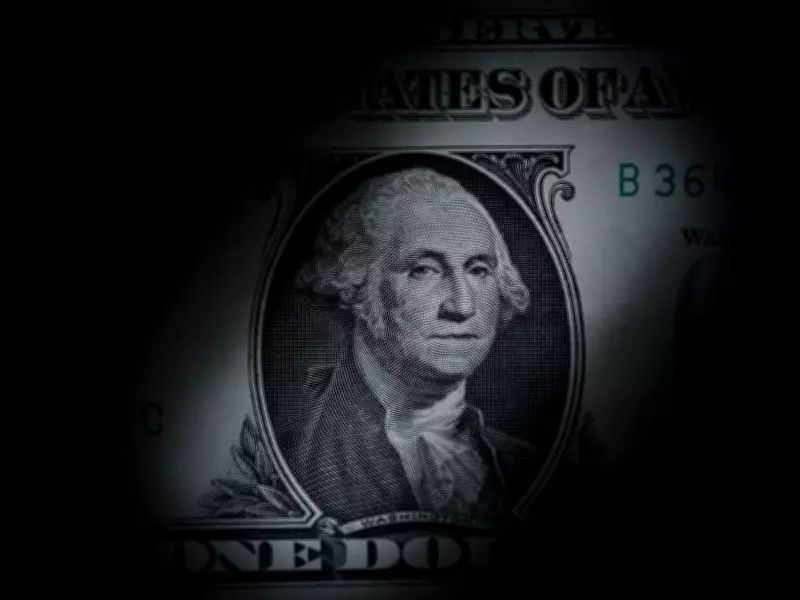
U.S. Dollar Plummets to Four-Year Low as Global Markets Watch Closely
The U.S. dollar, often considered the world's most powerful currency, has experienced a significant decline in early 2026, reaching its lowest point in four years. This downward trend has captured the attention of investors and traders worldwide, creating ripples across financial markets and raising questions about the stability of the global financial system.
Trump Policies and Federal Reserve Concerns Drive Initial Decline
After a strong start to the year, the greenback began its descent amid growing concerns about U.S. President Donald Trump's controversial policies. Market participants became particularly nervous about Trump's threats regarding Greenland and his ongoing challenges to the independence of the Federal Reserve. These developments created uncertainty about America's commitment to traditional economic policies and contributed to the currency's weakening position.
Yen Intervention Fears Deepen Dollar's Slide
The dollar's decline accelerated this week as fears emerged that the United States and Japan might jointly intervene to support the struggling yen. Japan's currency had been trading lower as the government prepared to increase spending on defense and social security while eliminating consumption taxes. The potential for coordinated intervention between the two economic powerhouses added another layer of complexity to currency market dynamics.

The greenback reached its four-year low after President Trump publicly stated he wasn't concerned about the currency's decline against a basket of global currencies. However, the dollar stabilized somewhat on Wednesday following reassurances from U.S. Treasury Secretary Scott Bessent, who calmed concerns about potential intervention to support the yen.
The Complex U.S.-Japan Financial Relationship
The possibility of U.S. intervention to support the yen stems from the deeply interconnected financial relationship between the two nations. Japan maintains substantial investments in U.S. Treasuries, supported by the carry trade strategy where investors borrow in low-yielding Japanese bonds to purchase higher-yielding U.S. government debt.
This arrangement becomes less attractive when yields on Japan's debt increase, as occurred earlier this month amid concerns about election promises of increased government spending and tax policies that would reduce government revenues. The selloff of Japanese government bonds spilled over into the U.S. Treasuries market, causing yields to rise and creating additional pressure on the dollar.
Federal Reserve's 'Rate Check' and Market Impact
According to recent reports, the U.S. Federal Reserve made calls to dealers requesting quotes on trades that would involve purchasing yen and selling U.S. dollars—a practice known as a "rate check." This move was reportedly intended to prevent Japan from intervening alone to support the yen, which would likely involve more selling of U.S. Treasuries.
The Fed's rate checks achieved their desired effect, improving the yen's position but driving the U.S. dollar down further. Avery Shenfeld, chief economist of CIBC Capital Markets, explained that even without actual transactions, these actions "scared off those who were shorting the yen, causing it to strengthen and the U.S. dollar to weaken against the yen."
Broader Market Implications and Future Concerns
The dollar's decline has contributed to gold and silver prices reaching all-time highs as investors seek safe-haven assets. The volatility has also deepened concerns that the United States may be straying from its traditional strong dollar policy, potentially destabilizing the global financial system.
Market strategists warn that an abrupt move in the U.S. dollar could have far-reaching consequences for international markets. The combination of Trump's comments and the Federal Reserve's actions has fueled ongoing speculation that the United States might be attempting to deliberately drive down the value of the greenback against other currencies, a move that would represent a significant shift in American economic policy.

As the situation continues to evolve, investors remain watchful for any signs of coordinated intervention or policy shifts that could further impact currency markets. The dollar's performance in the coming weeks will be closely monitored as an indicator of broader economic stability and international financial relationships.





