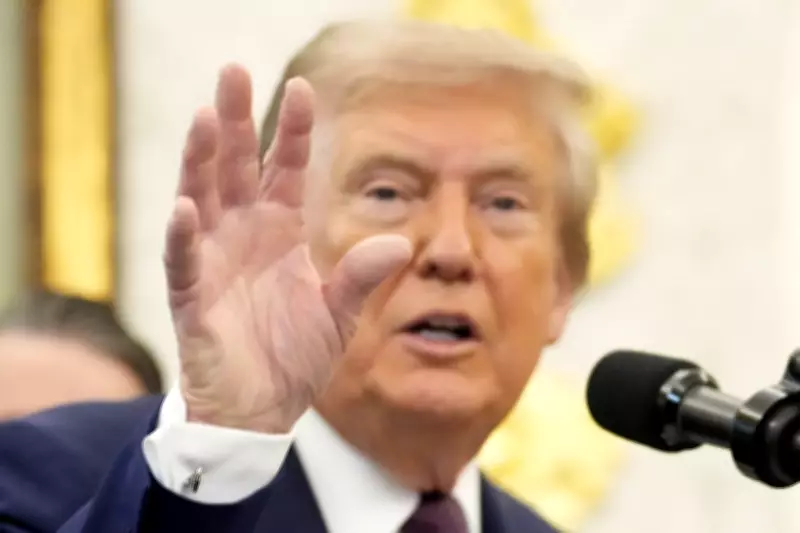
A potential loss in President Donald Trump's tariff lawsuit could force the United States to refund businesses more than $200 billion, according to recent analyses. The lawsuit challenges the legality of tariffs imposed on foreign goods, and if the court rules against the administration, it could set a significant precedent for trade policy.
Background of the Lawsuit
The legal battle stems from tariffs imposed during Trump's first term, which were justified under national security grounds. Critics argue that these tariffs exceeded presidential authority and violated international trade rules. The case has drawn attention from economists and legal experts, who warn of far-reaching consequences.
Potential Financial Impact
If the court sides with businesses, the government may be required to refund tariffs collected since 2018. Estimates suggest the total could exceed $200 billion, affecting thousands of companies. This would represent one of the largest retroactive trade policy shifts in U.S. history.

Reactions from Stakeholders
Business groups have welcomed the possibility of refunds, while trade unions express concerns about job losses if tariffs are removed. Legal analysts note that the case could reach the Supreme Court, prolonging uncertainty.
Broader Implications
A ruling against Trump could constrain future presidents' ability to impose tariffs without congressional approval. It may also influence ongoing trade negotiations with China and the European Union.