

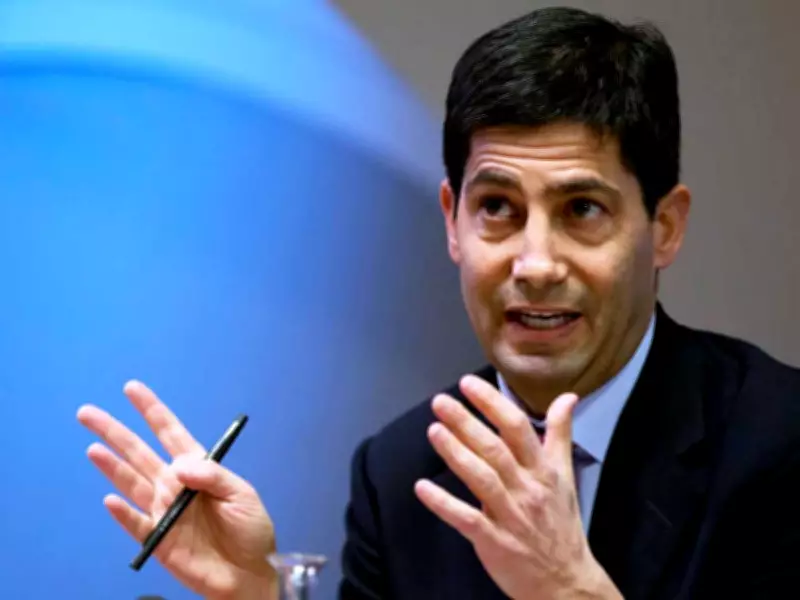
Trump Nominates Kevin Warsh as Next Federal Reserve Chair
U.S. President Donald Trump announced on Friday that he is nominating Kevin Warsh to become the next chair of the Federal Reserve. The nomination, made public via Trump's Truth Social platform, would see Warsh take over the role when current chair Jerome Powell's term concludes in May 2026, pending Senate confirmation.
In his announcement, Trump expressed strong confidence in Warsh, stating, "I have known Kevin for a long period of time, and have no doubt that he will go down as one of the GREAT Fed Chairmen, maybe the best. On top of everything else, he is 'central casting,' and he will never let you down."
Warsh's Background and Qualifications
Kevin Warsh, 55, brings substantial experience to the position. He previously served as a member of the Federal Reserve's Board of Governors from 2006 to 2011, becoming the youngest governor in history at age 35 upon his appointment. Currently, Warsh holds roles as a visiting fellow at Stanford University's Hoover Institution and a lecturer at the Stanford Graduate School of Business, highlighting his academic and policy expertise.

His nomination comes at a critical juncture for the U.S. central bank, which plays a pivotal role in shaping monetary policy, interest rates, and economic stability. The transition is set against a backdrop of ongoing debates about the Fed's independence and its responses to inflationary pressures.
Immediate Political Opposition Emerges
However, Warsh's appointment has already encountered significant political resistance. Republican Senator Thom Tillis, a member of the Senate Banking, Housing, and Urban Affairs Committee, declared on Friday that he would oppose Warsh's nomination until a Department of Justice criminal investigation into current chair Jerome Powell is fully resolved.
Tillis emphasized in a statement on X, "Protecting the independence of the Federal Reserve from political interference or legal intimidation is non-negotiable." He had earlier indicated this month that he would block any new Fed nominee until the DOJ's probe into Powell is completed, citing concerns over potential political motivations behind the investigation.
Complications in the Confirmation Process
The refusal of even a single Republican on the committee to support Warsh could complicate his confirmation process. Such opposition might lead to a stalemate, potentially leaving the nomination without a recommendation for approval by the full Senate. This scenario underscores the heightened political tensions surrounding the Fed's leadership.
The DOJ investigation centers on Powell's testimony to Congress regarding the Fed's $2.5-billion renovation of its Washington headquarters, a project Trump had criticized as excessive. Powell has suggested that the probe may be linked to the Fed's reluctance to cut interest rates as aggressively as the president desired, raising questions about political pressure on the institution.
As the nomination moves forward, it will be closely watched by financial markets, policymakers, and international observers, given the Fed's global influence. The outcome could have lasting implications for U.S. economic policy and central bank autonomy in the coming years.






