

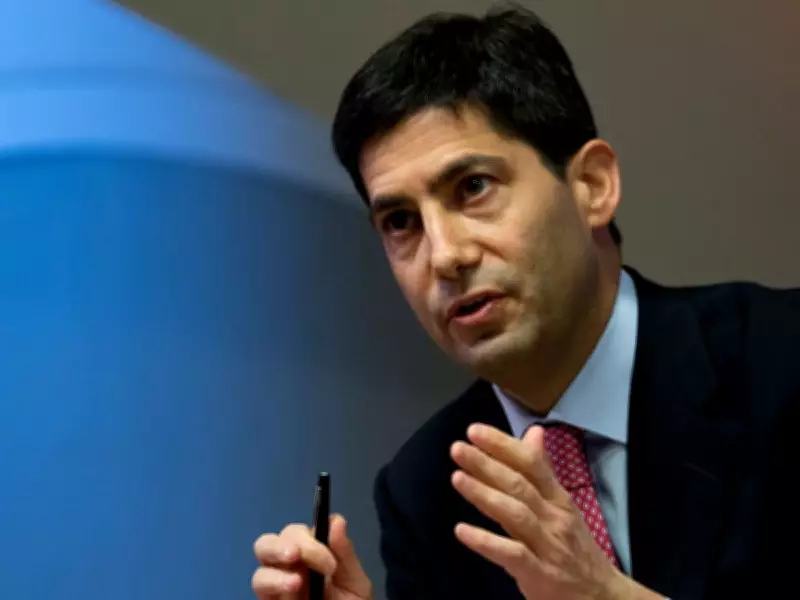
Trump Selects Kevin Warsh to Lead Federal Reserve at Critical Economic Juncture
Former President Donald Trump has announced his intention to nominate Kevin Warsh as the next chair of the United States Federal Reserve, selecting a well-known policymaker to helm the world's most important central bank during a period of significant economic challenges. The decision, revealed through Trump's Truth Social platform on Friday, marks a pivotal moment for monetary policy as the Fed navigates persistent inflation concerns while maintaining its institutional independence.
Warsh's Background and Wall Street Credentials
Kevin Warsh brings substantial experience to the position, having served as a Federal Reserve governor during the tumultuous 2008 financial crisis. Currently a Stanford academic and partner at billionaire investor Stanley Druckenmiller's family office, Warsh enjoys considerable respect within financial circles. His nomination is expected to alleviate concerns among investors about potential political interference in monetary policy decisions, particularly regarding interest rates.
In his announcement, Trump expressed strong confidence in his nominee, stating: "I have known Kevin for a long period of time, and have no doubt that he will go down as one of the GREAT Fed Chairmen, maybe the best. On top of everything else, he is 'central casting,' and he will never let you down."

Succession and Senate Confirmation Process
Warsh is poised to succeed current Fed Chair Jay Powell when his term concludes in May, pending confirmation by the United States Senate. This transition occurs against a complex economic backdrop characterized by strong growth metrics alongside elevated inflation levels and emerging signs of cooling in the labor market after years of robust employment gains.
The nomination concludes what has been described as the most contentious race for Federal Reserve leadership in recent memory, with Trump having publicly criticized Powell's monetary policy approach on multiple occasions, even labeling him a "moron" and "stubborn mule" for resisting pressure to implement more aggressive rate cuts.
Policy Positions and Potential Challenges
Warsh has previously advocated for substantial reforms to the Federal Reserve's governance structure, echoing Treasury Secretary Scott Bessent's calls for what he terms "regime change" at the central bank. However, some analysts viewed him as an unlikely choice given that his support for reducing the Fed's balance sheet could potentially conflict with Trump's persistent demands for lower borrowing costs to stimulate economic activity.
Market reactions to the nomination news have been noticeable, with long-term U.S. borrowing costs experiencing upward movement following Thursday evening reports that Trump was preparing to select Warsh for the position. This marks Warsh's second consideration for the Fed's top role, having previously interviewed in 2017 when Trump ultimately chose Powell instead.
Wall Street Support and Competitive Landscape
The former Fed governor's candidacy gained momentum after prominent financial leaders expressed reservations about alternative contenders. Bond investors and Wall Street executives voiced concerns that White House economist Kevin Hassett, once considered Warsh's closest competitor, might implement interest rate reductions without sufficient economic justification.
Notable endorsements emerged from influential figures including JPMorgan Chase CEO Jamie Dimon, while Citadel's Ken Griffin cautioned that selecting a close presidential ally could undermine the Federal Reserve's capacity to effectively combat inflationary pressures. A late surge of support for BlackRock executive Rick Rieder ultimately faltered amid questions about his political contributions to Democratic candidates and Trump's Republican rival Nikki Haley.
As the confirmation process moves forward, financial markets will closely monitor how Warsh's policy perspectives align with both economic realities and political expectations during this critical period for global monetary policy.






