

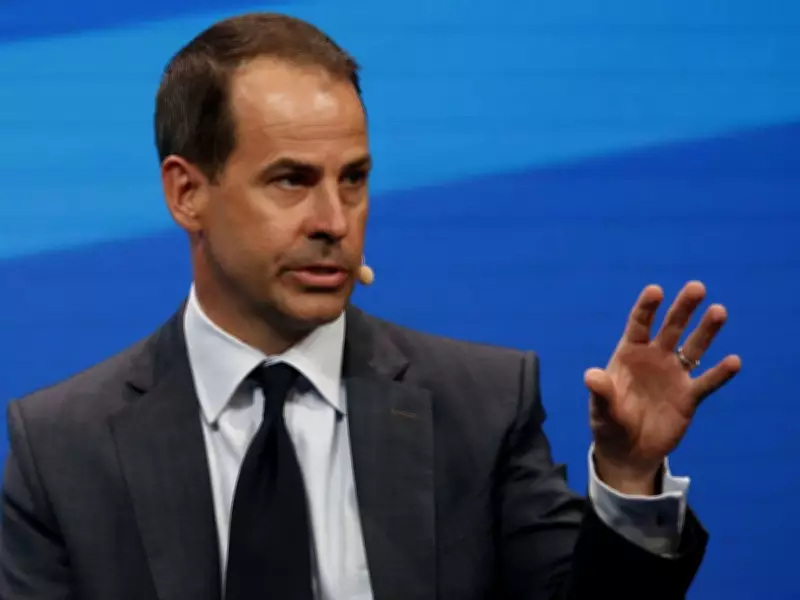
Market Reaction to Tariff Ruling 'Pretty Subdued,' BMO's CEO Says
The U.S. Supreme Court struck down former President Donald Trump's "reciprocal" tariffs in a ruling on Friday, but the market response has been notably calm, according to Bank of Montreal chief executive Darryl White. In a Bloomberg Television interview on Monday morning, White described the reaction as "pretty subdued," attributing this to bond markets having already priced in much of the expected outcome over recent days.
Corporate Adaptation to Trade Volatility
White, speaking from Hollywood, Florida, where he is attending the bank's annual mining and metals capital-markets conference, explained that many of BMO's corporate clients have adapted to the swings in trade policy under the Trump administration. They have taken proactive measures, such as rebuilding supply chains, to mitigate the impact of tariff-related instability.
"The instability and volatility brought by various decisions over the last year on tariffs have become a bit more normal course," White said. "So, in the meantime, it's more stable than you might think." This adjustment has helped cushion the market from sharp reactions to the Supreme Court's decision.

Background on the Ruling and Future Plans
The Supreme Court's ruling on Friday invalidated Trump's reciprocal tariffs, a key component of his international policy. In response, Trump has indicated plans to replace these levies with new, across-the-board 15% tariffs on imports. This move could signal ongoing shifts in U.S. trade strategy, but White's comments suggest that markets are already factoring in such changes.
After more than a year of trade-related shocks, including previous tariff implementations and policy adjustments, the financial landscape has shown resilience. White emphasized that the subdued reaction reflects a broader trend of market participants becoming accustomed to policy fluctuations, reducing the likelihood of dramatic swings.
Key Takeaways:
- The U.S. Supreme Court ruled against Trump's reciprocal tariffs on Friday.
- Market response has been minimal, with bond markets having anticipated the outcome.
- Corporate clients have adapted by restructuring supply chains to handle trade policy volatility.
- Trump plans to introduce new 15% tariffs on imports as a replacement.
- The overall stability in markets suggests increased resilience to trade policy changes.
This development underscores how businesses and investors are learning to navigate an era of unpredictable trade policies, with strategic adjustments helping to maintain economic steadiness despite political uncertainties.






