

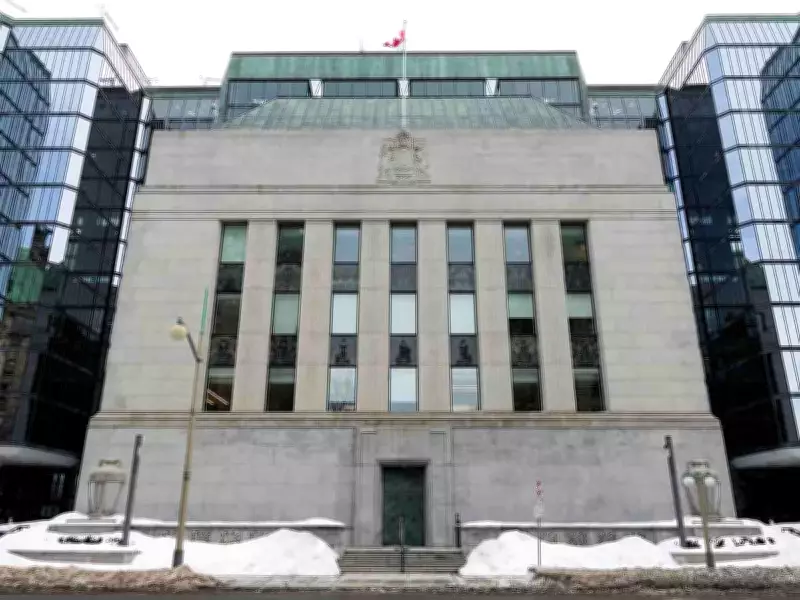
In a detailed analysis of Canada's monetary policy landscape, Benjamin Tal, the deputy chief economist at CIBC World Markets, has provided crucial insights into the Bank of Canada's recent decisions. Speaking with Financial Post journalist Larysa Harapyn, Tal highlighted the significant impact of international geopolitical events on domestic economic strategies.
Interest Rates Held Steady Amid Global Uncertainty
The Bank of Canada announced on March 19, 2026, that it would maintain its benchmark interest rate at 2.25 percent. This marks the third consecutive meeting where the central bank has chosen to keep rates unchanged, reflecting a cautious approach to monetary policy adjustments.
According to Tal, this decision comes at a time when domestic economic indicators might otherwise suggest a different course of action. "The Bank of Canada would typically be leaning toward rate cuts given current inflation trends and trade dynamics," Tal explained during the interview. "However, the ongoing conflict involving Iran has created substantial global uncertainty that cannot be ignored."

Geopolitical Factors Overriding Domestic Considerations
Tal emphasized that the Iran conflict has introduced volatility into global markets that directly affects Canada's economic outlook. The geopolitical tensions have led to fluctuations in oil prices and created supply chain disruptions that could potentially impact inflation rates.
"Central banks must consider both domestic and international factors when making policy decisions," Tal noted. "While our domestic economy might benefit from rate cuts to stimulate growth, the Bank of Canada must weigh this against the inflationary pressures that could result from continued global instability."
Inflation and Trade Implications
The interview also covered how these monetary policy decisions relate to broader economic concerns:
- Inflation management remains a priority for the Bank of Canada, with the Iran conflict potentially affecting energy prices and import costs
- Trade negotiations and international agreements may be influenced by the geopolitical climate
- Business confidence could be impacted by both domestic interest rates and international stability concerns
Tal suggested that without the Iran conflict, the Bank of Canada might have already begun implementing rate cuts to support economic growth. The current approach represents a balancing act between supporting the domestic economy and maintaining stability in the face of international uncertainty.
As Canada navigates these complex economic waters, Tal's analysis provides valuable perspective on how global events can shape national monetary policy. The Bank of Canada's decision to maintain current interest rates reflects this delicate balance between domestic needs and international realities.






