

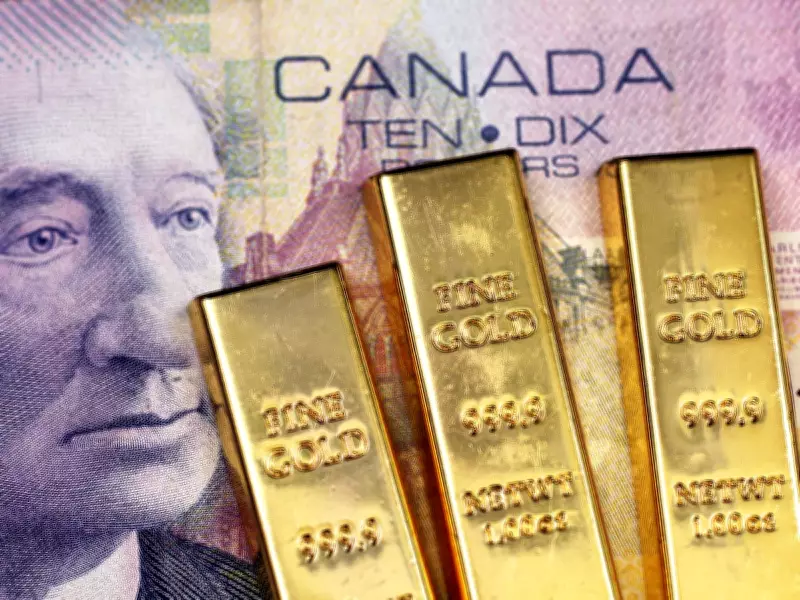
Gold's Dramatic Fall From Grace Could Intensify Beyond Market Expectations
Gold, last year's shining market performer, has experienced a significant decline amid the ongoing conflict in the Middle East. While other commodities have surged during this period, the precious metal has been pushed to the sidelines, with prices falling approximately 16 percent since hostilities began.
Economist Predicts Further Substantial Decline
According to Capital Economics, the downward trajectory for gold may be far from over. The firm estimates that bullion prices could drop an additional $1,000 to reach approximately $3,500 by the end of the year. This projection exceeds current market consensus and suggests a more severe correction than many investors anticipate.
"Even if the conflict were to de-escalate soon, the same forces that had driven the gold rally could go into reverse and trigger further falls in prices this year," explained Hama Hussain, Capital's climate and commodities economist.

Multiple Factors Driving Gold's Decline
The recent price drop has been attributed to several interconnected factors:
- Rising real yields and strengthening U.S. dollar resulting from Middle East tensions
- Fading prospects for interest-rate cuts as inflation concerns persist
- Significant slowdown in central bank purchases, which decreased by about 80 percent in January
- Sales by countries including Russia and Turkey contributing to market pressure
- Shift in market sentiment from risk-on to risk-off environment
Gold's remarkable ascent from approximately $1,810 in late 2023 to nearly $6,000 in early 2026 was fueled by aggressive buying from central banks and private Chinese investors. However, these supportive tailwinds have weakened considerably in recent months.
Speculative Behavior and Market Positioning
During its peak, gold exhibited characteristics more aligned with risky assets than its traditional role as a safe-haven investment. Speculative activity in both Chinese and Western markets contributed significantly to the price surge.
"The gold trade had become overcrowded and the weak hands are now bailing," noted Robert Embree of Rosenberg Research & Associates Inc., who suggested that much of the recent decline relates to positioning adjustments and speculative capital flight.
Historical Context and Future Outlook
The current decline is not without precedent. Following the 2008 Lehman Brothers collapse, gold prices fell approximately 20 percent before embarking on another substantial rally. This historical pattern provides context for the current market correction.
While some analysts remain bearish in the near term, others maintain long-term optimism about gold's prospects. Rosenberg Research has adjusted its position and is now seeking what it considers an attractive re-entry point around $4,390, suggesting that current prices around $4,570 may still have room to decline before reaching optimal buying levels.
"All of this suggests that we are getting closer to a juicy re-entry point, but may not be there yet," the firm concluded in its assessment.
The broader economic implications of Middle East tensions extend beyond precious metals, with economists warning that inflationary pressures from the conflict will manifest in various unexpected sectors beyond traditional energy markets.






