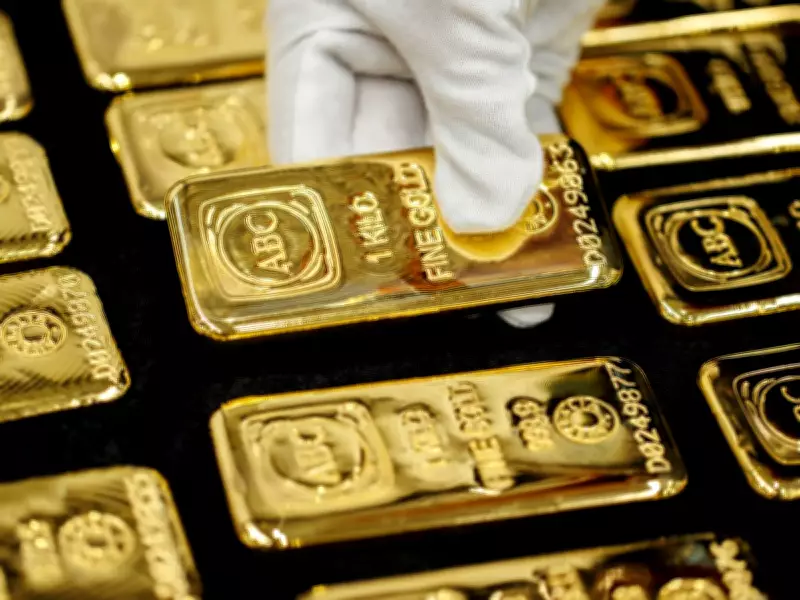
Gold Finds Support Above $4,500 Amid Prolonged Middle East Tensions
Gold prices have gained for a second consecutive day, with bullion trading above US$4,500 per ounce as investors seek clarity on the duration of the Middle East conflict. The precious metal rose as much as 1.9% before paring some gains, demonstrating resilience despite rising oil prices and ongoing geopolitical uncertainty.
Market Dynamics and Investor Behavior
This recent upward movement indicates that investors are stepping in to take advantage of prices that have been pressured downward over the past month. Since the conflict began at the end of February, gold has declined approximately 14% as inflation worries intensify and prospects for interest-rate cuts diminish. The market's retreat pushed technical indicators into oversold territory last week before prices stabilized, ending a three-week losing streak.
Spot gold ultimately settled at US$4,527.17 per ounce, representing a 0.7% increase, while silver climbed 1.3% to US$70.69. Platinum and palladium also advanced during the trading session.

Geopolitical Escalation and Economic Implications
The conflict entered its fifth week with significant developments that have raised concerns about prolonged hostilities. United States President Donald Trump reiterated threats to destroy Iranian energy assets if the Strait of Hormuz isn't reopened soon, following the arrival of additional American troops in the region. The involvement of Iran-backed Houthis last weekend signaled further escalation.
Even as diplomatic efforts continued with Pakistan, Egypt, Saudi Arabia, and Turkey meeting to seek a resolution, military actions intensified. Iran attacked aluminum smelters in Bahrain and the United Arab Emirates, while parts of Tehran experienced power outages following Israeli missile strikes.
Central Bank Influence and Economic Outlook
Elevated central bank purchasing has been a fundamental pillar supporting gold's rally over the past two years. However, Turkey's central bank recently bucked this trend by selling and swapping approximately 60 tons of gold worth more than US$8 billion in the weeks following the conflict's outbreak.
The ongoing hostilities have raised concerns that central banks might increase interest rates to combat inflation, which along with liquidity pressures in broader financial markets, has contributed to gold's recent decline. Yet some Wall Street fund managers argue that markets are underestimating the risk of economic downturn, which could ultimately push Treasury yields lower and make gold more attractive by reducing the opportunity cost of holding the non-yielding asset.
Analyst Perspectives and Market Sentiment
"While the very short-term swings in price may be dictated by U.S. foreign policy announcements, the near-term trend still looks bearish as the price consolidates after its dramatic rally to record highs in January," noted Marc Loeffert, a trader at Heraeus Precious Metals.
The Bloomberg Dollar Spot Index was 0.3% higher during the trading session, adding another layer to the complex market dynamics affecting precious metals. As the conflict continues without clear resolution, gold markets remain sensitive to both geopolitical developments and macroeconomic indicators that could influence monetary policy decisions worldwide.