

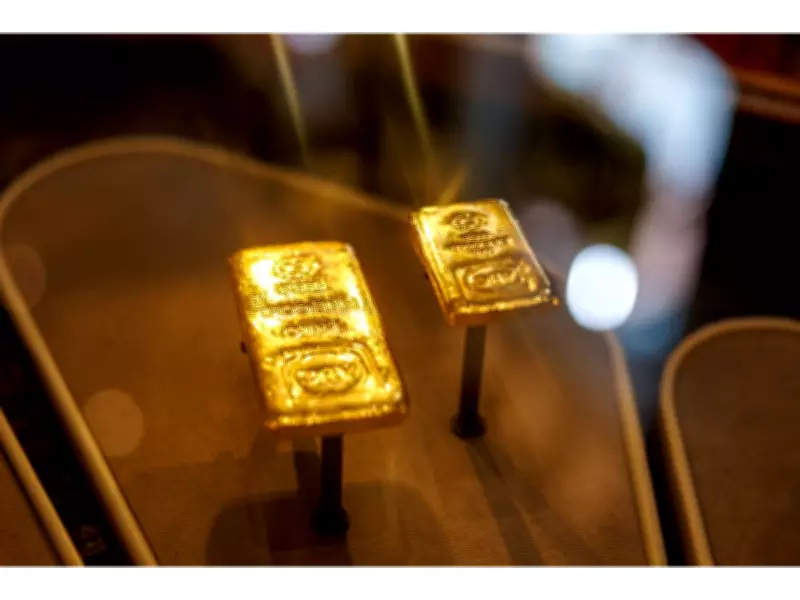
Gold prices held steady in trading sessions as market participants carefully evaluated escalating tensions in the Middle East alongside President Donald Trump's approaching deadline for Iran to accept a ceasefire agreement. The precious metal's traditional safe-haven status has been tested during recent weeks, creating a complex trading environment influenced by multiple geopolitical factors.
Market Dynamics Amid Geopolitical Uncertainty
Bullion experienced fluctuations following reports that United States military forces conducted strikes on strategic targets at Kharg Island. Simultaneously, diplomatic channels between Iran and the U.S. have reportedly stalled, according to information from the New York Times. These developments have created a delicate balance in precious metals markets as traders attempt to gauge potential outcomes.
Impact on Broader Financial Markets
The prospect of escalating conflict has reverberated across global financial markets, sending U.S. equity indices lower while Treasury yields pushed upward. The U.S. dollar pared earlier losses, creating additional pressure on gold prices since bullion is denominated in American currency and offers no yield to investors. Some market participants were compelled to liquidate gold positions to cover losses sustained in declining stock markets.

Trump's Ultimatum and Market Implications
President Trump reiterated his threat to initiate extensive military action against Iran unless the nation agrees to ceasefire terms before his Tuesday evening deadline. The President warned that failure to reach agreement could result in catastrophic consequences, stating that "a whole civilization will die tonight" if negotiations collapse.
Despite the stern warning, Trump left open the possibility of diplomatic resolution, suggesting that new Iranian leadership with "different, smarter, and less radicalized minds" could potentially broker an agreement. The President characterized the situation as "one of the most important moments in the long and complex history of the world," emphasizing the gravity of the impending deadline.
Central Bank Policy Considerations
Now entering its sixth week, the Middle East conflict has increased the likelihood that central banks worldwide may postpone planned interest rate reductions or potentially implement increases in response to elevated energy prices. Bond market participants currently anticipate that the Federal Reserve will maintain current interest rate levels throughout the remainder of the calendar year.
Gold's Performance and Market Sentiment
Since the conflict began in late February, gold prices have declined approximately 12 percent, with the metal's traditional haven appeal diminished by investors' need to liquidate positions to offset losses in other asset classes. The precious metal's characteristic role as a safe-haven asset has been challenged during this period of market stress.
International Central Bank Activity
China's accelerated gold purchasing activity has provided some support to market confidence during this turbulent period, particularly as other central banks have shifted toward selling their reserves. In March, Turkey's central bank executed significant transactions involving approximately 60 tons of gold, valued at over $8 billion, as part of efforts to stabilize the national currency.
Emerging Buying Opportunities
As gold prices have retreated from recent highs, indications suggest that opportunistic investors are gradually reestablishing positions in the market. Holdings within gold-backed exchange-traded funds increased last week for the first time since the conflict began, according to Bloomberg calculations, signaling renewed interest from market participants.
Current Market Pricing
Spot gold registered a marginal decline of 0.08 percent to $4,646.02 per ounce during morning trading in New York. Silver prices edged downward by three percent to $70.79, while platinum traded lower and palladium showed modest gains. The Bloomberg Dollar Spot Index, which tracks the U.S. currency against major counterparts, declined 0.08 percent during the session.

The precious metals market continues to navigate complex geopolitical developments, with traders closely monitoring both military actions in the Middle East and diplomatic efforts to resolve the ongoing conflict. Market participants remain attentive to potential shifts in central bank policy and investor sentiment as the situation evolves.





