

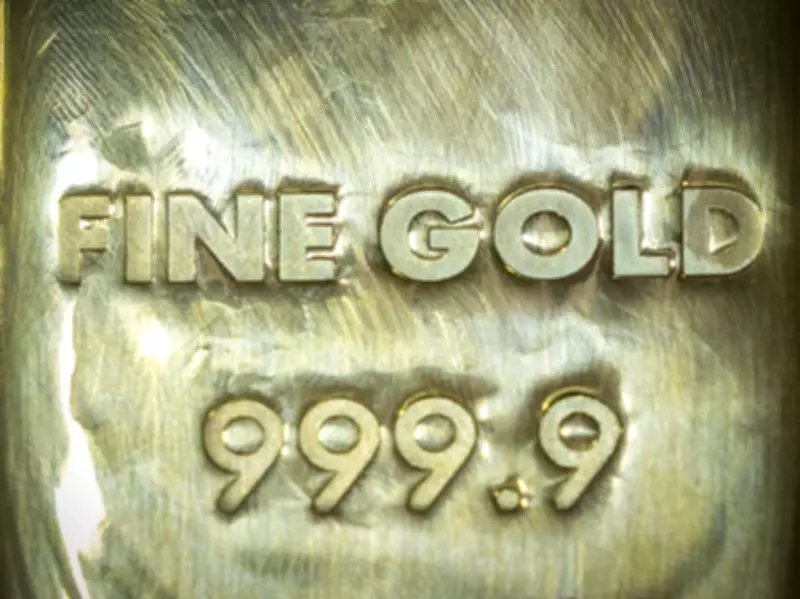
Gold Prices Decline Amid Middle East Conflict and High Oil Prices
Gold prices fell on Friday, marking a second consecutive weekly decline as the ongoing war in the Middle East continues to keep oil prices elevated around US$100 a barrel. This situation is underpinning global inflationary pressures and reducing expectations for interest rate cuts by central banks.
Spot gold dropped 0.6 per cent to US$5,049.30 per ounce as of 1:09 p.m. in New York, putting it on track for a 2.4 per cent weekly decline. This would be the first back-to-back weekly drop since November. Silver also slid significantly, falling 3.6 per cent to US$80.83 per ounce, while platinum and palladium experienced declines as well.
Geopolitical Tensions and Inflationary Pressures
The conflict between the United States, Israel, and Iran, which began nearly two weeks ago with no resolution in sight, has stalled upward momentum in gold prices. President Donald Trump announced that the U.S. has escalated strikes on Iran to unprecedented levels, indicating no letup in a war that is disrupting energy flows and global markets.

"The gold price continues to fail to benefit from the geopolitical crisis," noted Barbara Lambrecht, commodity analyst at Commerzbank Research, in a statement on Friday. "With oil and gas prices rising significantly again this week, the risks of inflation are also increasing. This could force central banks to take countermeasures."
Impact on Central Bank Policies and Market Sentiment
Higher energy prices and rising inflationary concerns have greatly diminished expectations that the Federal Reserve and other central banks will implement interest rate cuts. The latest U.S. consumer spending data, released on Friday, showed spending barely increased in January due to weaker-than-expected economic growth. This report adds to concerns that price pressures were building even before the attacks on Iran.
U.S. consumer sentiment has declined to a three-month low as fears mounted in recent weeks about the impact of gasoline prices from the conflict. Traders now see virtually no chance of a rate cut at next week’s Fed meeting and only an 80 per cent chance of a reduction this year.
Market Dynamics and Gold's Performance
Higher borrowing costs are typically negative for precious metals like gold, which do not pay interest. A sustained pickup in inflationary pressures could delay a resumption of rate cuts at a time when political demands for them continue. The Bloomberg Dollar Spot Index rose 0.6 per cent and was on track for a weekly gain, further pressuring gold prices.
Despite the recent declines, bullion has still gained around 17 per cent this year and has largely held above the US$5,000-per-ounce threshold. This resilience highlights gold's role as a safe-haven asset amid ongoing global uncertainty, even as immediate market reactions are influenced by inflationary trends and monetary policy expectations.
The combination of geopolitical instability, high oil prices, and shifting central bank policies creates a complex environment for gold investors, with the metal's long-term appeal balanced against short-term economic pressures.






