

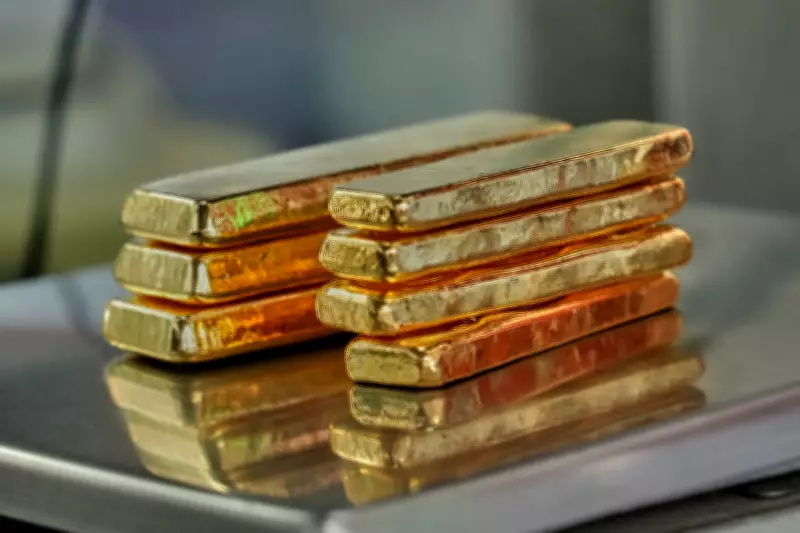
Gold prices experienced a notable surge, gaining more than 1% as investors capitalized on recent dips in the market. This upward movement comes amid heightened anticipation for the release of key U.S. inflation data, which is expected to provide critical insights into the Federal Reserve's future monetary policy decisions.
Market Dynamics and Investor Sentiment
The precious metal's rally was primarily driven by dip-buying activity, where investors seized opportunities to purchase gold at lower price points following a period of volatility. This behavior reflects a cautious yet opportunistic approach in the face of economic uncertainties. Market analysts note that gold often serves as a safe-haven asset during times of inflation concerns or geopolitical tensions, making it an attractive option for portfolio diversification.
Focus on U.S. Inflation Metrics
All eyes are now on the upcoming U.S. inflation report, scheduled for release later this week. This data is crucial as it will influence the Federal Reserve's stance on interest rates. Higher-than-expected inflation could prompt the Fed to maintain or even tighten its monetary policy, potentially impacting gold prices. Conversely, lower inflation figures might ease pressure on rate hikes, possibly supporting further gains in the gold market.

Historically, gold has demonstrated an inverse relationship with interest rates. When rates rise, the opportunity cost of holding non-yielding assets like gold increases, which can suppress demand. Therefore, the inflation data will be a key determinant of short-term price movements in the gold sector.
Global Economic Context
The rally in gold prices also occurs against a backdrop of global economic shifts, including fluctuations in currency markets and ongoing trade discussions. Investors are closely monitoring these factors, as they can affect gold's appeal as a hedge against inflation and currency devaluation. Additionally, geopolitical events and central bank policies worldwide contribute to the complex landscape influencing precious metal valuations.
In summary, gold's recent gain of over 1% highlights the market's reactive nature to economic indicators and investor strategies like dip-buying. As the financial community awaits the U.S. inflation data, the precious metal's trajectory remains closely tied to broader economic trends and policy decisions that shape global markets.






