

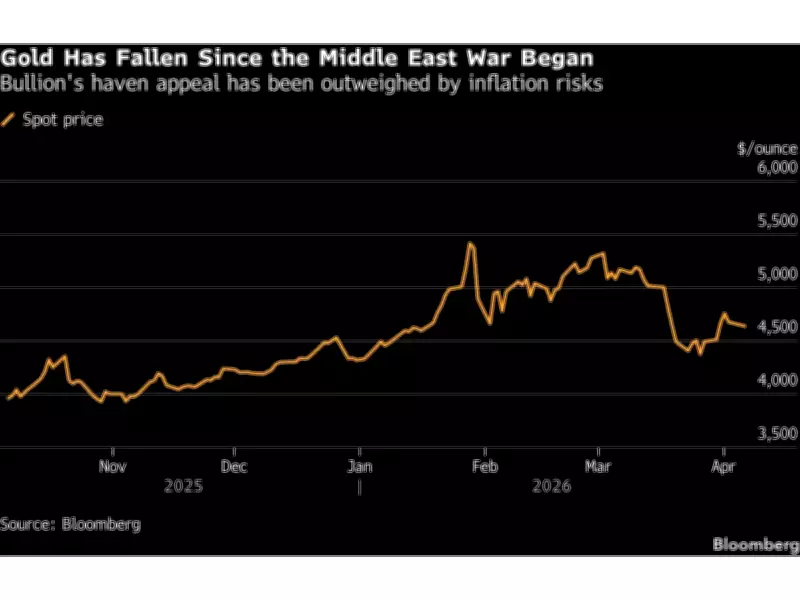
Gold prices experienced fluctuations in trading sessions as market participants carefully evaluated the potential for a diplomatic breakthrough in the ongoing Iran conflict. The precious metal swung between modest gains and losses during light trading activity following the Easter holiday, with numerous European and Asian markets remaining closed.
Diplomatic Push for Ceasefire Agreement
United States allies have reportedly intensified efforts to broker a last-minute agreement with Iran, as diplomatic channels work toward establishing a truce in the month-long hostilities. According to recent reports, Pakistan, Egypt, and Turkey are actively pushing to secure a potential ceasefire arrangement that could last approximately 45 days. This development comes as President Donald Trump extended his deadline to Tuesday for Tehran to reopen the strategically vital Strait of Hormuz.
Market Impact and Gold's Performance
Since the conflict began at the end of February, gold has declined more than 10 percent in value. This downward pressure has been driven by multiple factors, including spiking energy prices that have heightened inflation concerns and diminished prospects for interest-rate cuts that typically benefit non-yielding precious metals. Additionally, gold's traditional haven appeal has been weakened by investors liquidating positions to cover losses in other market segments.

"Market participants are taking chips off the table to protect their assets in this volatile environment," explained Robert Gottlieb, a market commentator and former precious metals trader at JPMorgan Chase & Co. "The uncertainty surrounding geopolitical developments and their economic consequences is creating cautious trading behavior."
Inflation Data and Economic Context
The economic ramifications of the conflict will be further illuminated when key U.S. inflation data is released this week. Economists are forecasting a one percent increase in the consumer price index for March, which would represent the sharpest one-month advance since 2022. The ongoing hostilities have contributed significantly to energy costs, adding more than US$1 per gallon to gasoline prices at American pumps.
Current Market Statistics
As of 10:52 a.m. in New York trading, spot gold slipped 0.1 percent to US$4,683.70 per ounce. Silver followed a similar trajectory, declining 0.2 percent, while platinum and palladium both experienced declines. The Bloomberg Dollar Spot Index, which serves as a comprehensive gauge of the U.S. currency's strength, fell 0.2 percent during the same trading period.
The combination of geopolitical uncertainty, inflationary pressures, and shifting monetary policy expectations continues to create a complex trading environment for precious metals. Market analysts will be closely monitoring diplomatic developments in the coming days, as any substantive progress toward a ceasefire agreement could significantly impact gold's price trajectory and broader market sentiment.






