

Gold Prices Retreat as U.S. Hormuz Blockade Intensifies Inflation Pressures
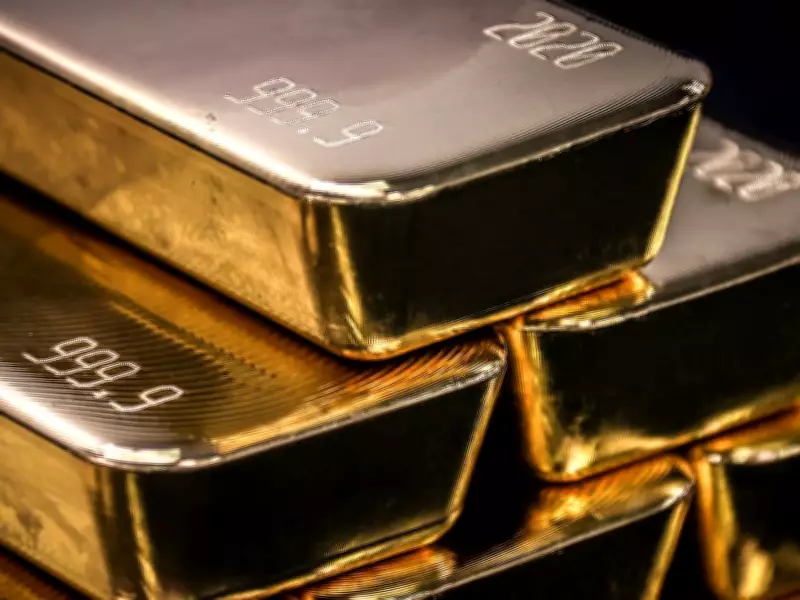
Gold bullion experienced a notable decline, dropping as much as 2.2 percent to trade below US$4,650 per ounce, before recovering some of those losses. This movement comes in response to escalating inflation risks triggered by U.S. President Donald Trump's directive to implement a naval blockade of the strategically vital Strait of Hormuz.
Energy Supply Shock and Market Reactions
The blockade order has deepened the ongoing global energy-supply shock, with oil prices initially surging before paring gains, yet still hovering near US$100 per barrel. As Trump addressed the situation from the White House, the U.S. dollar and bond yields trended lower, providing some support to bullion prices. However, the persistent elevation in energy costs, coupled with the latest U.S. consumer price index data, has redirected investor attention squarely toward inflationary pressures.
Financial markets are currently pricing in less than a 20 percent probability of an interest rate cut by December, a development that negatively impacts non-yielding assets like gold, which typically benefit from lower borrowing costs.

Geopolitical Tensions and Investor Sentiment
Trump revealed that Iran had reached out regarding peace talks as U.S. forces commenced the naval blockade. Iran has attributed the recent collapse of ceasefire negotiations to the United States, and Tehran has not confirmed any further discussions. "Events over the weekend clearly put the fragile ceasefire at risk and likely prolong the conflict," noted Paras Gupta, head of discretionary portfolio management in Asia at Union Bancaire Privée. He added that gold's price movements were "less exaggerated" compared to earlier phases of the conflict.
In response to these market conditions, Union Bancaire Privée is gradually increasing its bullion holdings in discretionary client portfolios, having previously reduced exposure from approximately 10 percent to around 3 percent.
Broader Market Trends and Outlook
Since the conflict began in late February, gold has fallen by about 10 percent, with early liquidity squeezes forcing investors to sell the metal to cover losses elsewhere. More recently, gold has regained some ground as growing concerns over slowing economic growth have partially offset the risks associated with higher interest rates.
"This shift should continue to provide some support for bullion despite Monday's decline," stated Daniel Hynes, senior commodity strategist at ANZ Banking Group Ltd.
By the close of trading, spot gold had declined 0.1 percent to US$4,746.81 per ounce in New York, while silver dropped 0.6 percent to US$75.38 per ounce. In contrast, platinum and palladium both recorded gains.
The market movements underscore the complex interplay between geopolitical events, energy markets, and inflation dynamics, with gold serving as a key barometer of investor sentiment amid ongoing uncertainty.






