

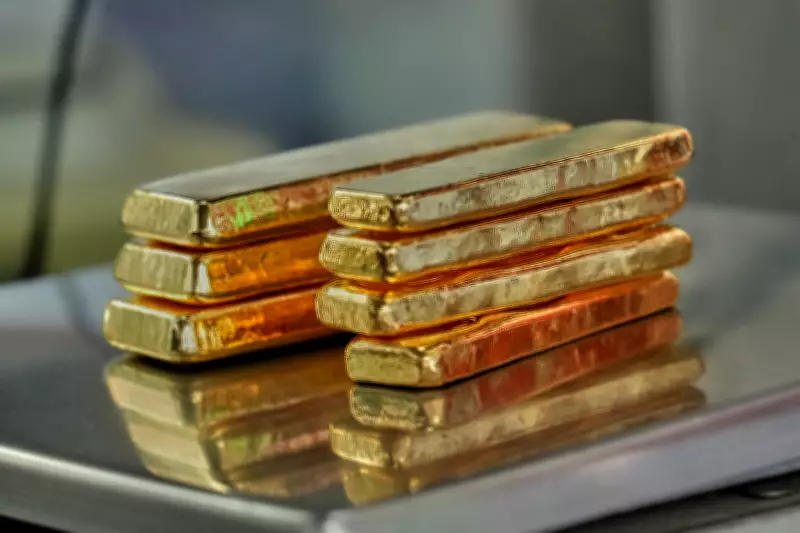
Gold Prices Experience Significant Decline Following Diplomatic Developments
Gold prices have dropped by more than 2% in recent trading sessions, driven by two key factors: progress in negotiations between the United States and Iran, and a strengthening U.S. dollar. This decline marks a notable shift in the precious metals market, as investors reassess their positions amid changing geopolitical and economic conditions.
Impact of U.S.-Iran Negotiations on Market Sentiment
The ongoing diplomatic talks between the U.S. and Iran have contributed to reduced uncertainty in global markets, diminishing the appeal of gold as a traditional safe-haven asset. Historically, gold has served as a refuge during times of geopolitical tension, but as negotiations show signs of advancement, market participants are becoming more optimistic about stability in the region.
This shift in sentiment has led to a decrease in demand for gold, as investors pivot toward riskier assets like stocks and bonds. The potential for a diplomatic resolution has alleviated concerns about supply disruptions or conflicts that could have previously driven gold prices higher.

Role of the U.S. Dollar in Gold's Decline
Concurrently, the U.S. dollar has been gaining strength against other major currencies, exerting additional downward pressure on gold prices. Since gold is typically priced in dollars, a stronger dollar makes the metal more expensive for holders of other currencies, reducing its global demand.
This inverse relationship between the dollar and gold is a well-established dynamic in financial markets, and the current trend is no exception. Factors contributing to the dollar's firmness include positive economic indicators from the U.S., such as robust employment data and steady inflation rates, which have bolstered confidence in the currency.
Market Reactions and Future Outlook
Analysts are closely monitoring these developments, noting that the combination of diplomatic progress and currency movements could lead to further volatility in gold prices. While some traders may view this dip as a buying opportunity, others caution that sustained strength in the dollar and continued geopolitical calm could keep gold under pressure in the near term.
Key points to consider include:
- The potential for ongoing negotiations to yield tangible agreements between the U.S. and Iran.
- Economic policies and data releases that may influence the U.S. dollar's trajectory.
- Investor behavior in response to shifting risk appetites and market conditions.
In summary, gold's recent decline highlights the interconnected nature of global markets, where diplomatic events and currency fluctuations can swiftly alter asset valuations. As the situation evolves, market participants will need to stay informed to navigate these changes effectively.






