Finance Chiefs See Evolution, Not Rupture, in Global Order After Carney's WEF Speech
Senior financial officials are emphasizing that the international system is experiencing a significant shift rather than a complete breakdown. This perspective comes in the wake of remarks made by former Bank of Canada and Bank of England governor Mark Carney at the World Economic Forum in Davos. The consensus among these leaders suggests a period of recalibration and adaptation, rather than outright disintegration, for global economic and political structures.
Carney's Provocative Address Sparks Widespread Discussion
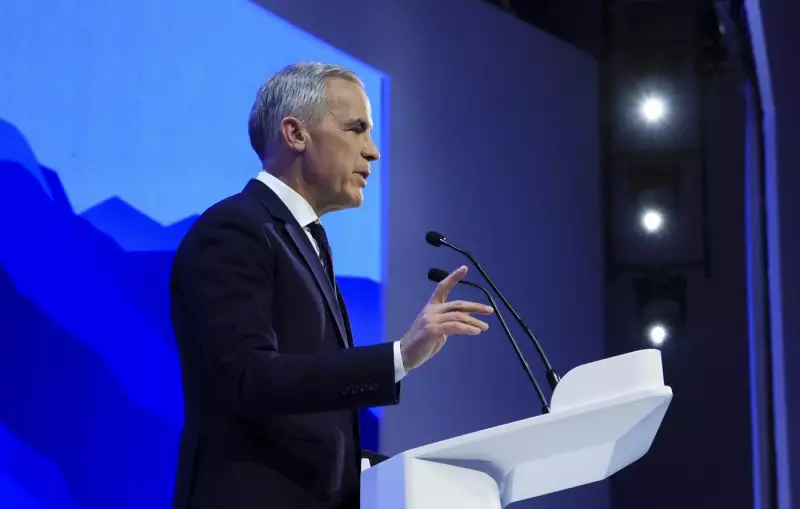
Mark Carney's speech at the prestigious gathering of global elites has ignited considerable debate within financial and political circles. While the exact content of his comments has not been fully disclosed in public reports, analysts indicate he addressed the pressures facing the existing international framework. Political analyst Justine McIntyre highlighted that Carney's insights have prompted a reevaluation of how nations and institutions navigate an increasingly multipolar world. His stature as a former central banker lends considerable weight to his observations on the stability and future direction of global governance.
A Nuanced View from Financial Leadership
The response from finance chiefs underscores a more measured outlook. They acknowledge the undeniable strains on the post-World War II order, driven by factors such as geopolitical tensions, technological disruption, and evolving trade patterns. However, they argue that the core institutions and principles are demonstrating resilience. The focus, according to these officials, is on managed change and the emergence of new forms of cooperation and competition. This view contrasts with more alarmist narratives predicting a sudden collapse of international systems.

Implications for Canada and Global Markets
For Canada, a nation deeply integrated into the global economy, this evolving order presents both challenges and opportunities. The emphasis on transformation rather than rupture suggests a pathway for continued engagement and adaptation. Canadian policymakers and business leaders are likely monitoring these developments closely, as they impact trade relationships, investment flows, and monetary policy coordination. The stability of the financial system remains a paramount concern, and the discourse initiated by Carney's remarks is shaping strategic thinking in boardrooms and government departments alike.
In conclusion, while the global landscape is undoubtedly changing, the prevailing sentiment among financial authorities is one of cautious evolution. The system is being tested and reshaped, but not torn asunder. This analysis provides a critical framework for understanding the complex dynamics at play in today's interconnected world.