

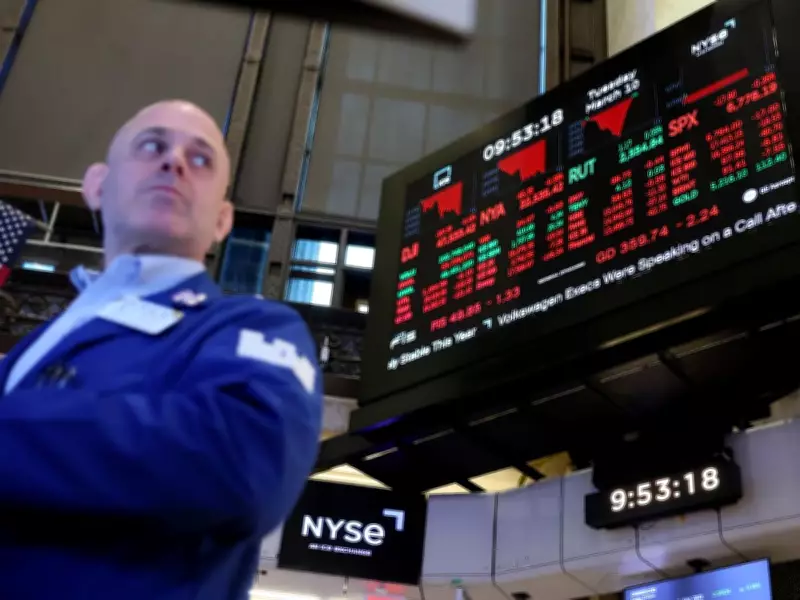
Global bond markets have completely erased their gains for the year 2026, with the Bloomberg Global Aggregate Index now showing flat performance as escalating geopolitical tensions in the Middle East fuel widespread inflation anxiety. The selloff has intensified across fixed-income markets, driven by surging oil prices that have climbed back above the critical US$100 per barrel threshold.
Geopolitical Shock Reverses Market Sentiment
The Bloomberg Global Aggregate Index, which meticulously tracks total returns from investment-grade government and corporate bonds worldwide, had been up as much as 2.1 percent earlier this year through February 27. This positive momentum was abruptly reversed following the United States military action against Iran initiated by President Donald Trump, demonstrating how quickly geopolitical shocks can transform market psychology.
"Investors at large are growing increasingly concerned when it comes to the inflation backdrop given the surge in energy prices," explained Michael Brown, a senior research strategist at Pepperstone. "Economies that are significant energy importers are likely to experience a more significant inflationary surge, and you'd expect the government bonds of those nations to underperform," he added, specifically pointing to United Kingdom and European debt markets.

Government Bond Yields Climb to Multi-Month Highs
United States Treasury yields have climbed to their highest levels in several months this week as investors actively price in the risk of a broader regional conflict. Many money managers are now betting that potential inflationary pressures will outweigh the traditional flight to sovereign bonds as safe-haven assets during times of geopolitical uncertainty.
This dynamic is already visibly manifesting in European markets, where Germany's benchmark 10-year bund yield climbed on Thursday to its highest level since 2023. This movement reflects growing fears about the economic fallout from the Middle Eastern conflict and its potential inflationary consequences across the continent.
Corporate Debt Markets Face Additional Pressures
Corporate debt investors are simultaneously growing increasingly wary of private credit investments. This caution follows recent decisions by major financial institutions including Morgan Stanley and Cliffwater LLC to cap withdrawals from certain funds after experiencing significant redemption surges, further dampening overall market sentiment.
Global corporate bond spreads are currently hovering near their highest levels since June, indicating growing risk aversion among fixed-income investors. The United States investment-grade dollar bond index officially fell into negative territory for year-to-date returns on Wednesday, partly due to lukewarm investor appetite for a substantial US$25 billion bond sale by software company Salesforce Inc.
Central Bank Policy Implications
Market attention is increasingly turning toward central bank responses. While the United States Federal Reserve is widely expected to maintain current interest rates during its upcoming policy meeting, any sustained increase in price pressures could complicate future monetary policy decisions. This comes even as labor market conditions show signs of softening in certain economic indicators.
"A higher inflation path will make it harder for the Fed to start cutting soon," noted Goldman Sachs Group Inc. economists Manuel Abecasis and David Mericle in a recent research note. The economists have consequently revised their forecast, now predicting the Federal Reserve will delay rate cuts until September rather than June as previously anticipated.
Record Bond Issuance Amid Market Turbulence
Despite the challenging market environment, Amazon.com Inc. successfully sold US$37 billion worth of bonds on Tuesday, marking the largest single-day corporate bond issuance ever recorded in the market. This transaction occurred against a backdrop of broader concerns about technology companies' exposure to artificial intelligence developments and their potential financial implications.

Separate indexes that track government bonds and investment-grade corporate bonds globally are now also showing negative returns for 2026, according to the latest available market data. The comprehensive selloff across fixed-income categories underscores how geopolitical events can rapidly transform market conditions and investor expectations regarding inflation and economic stability.





