

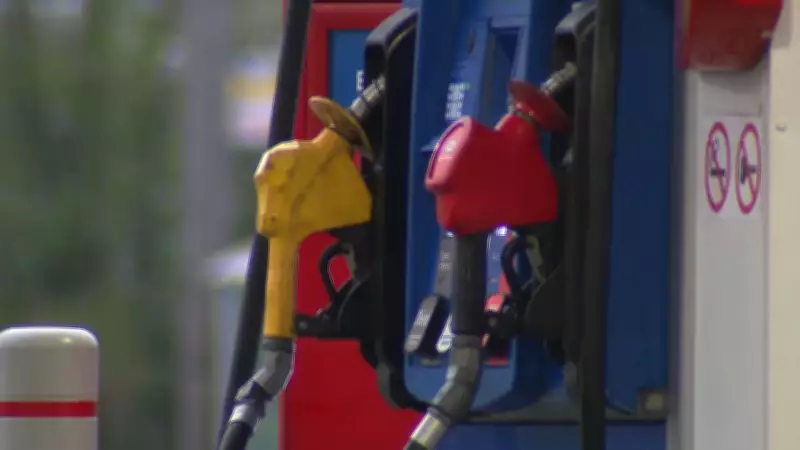
Gas Prices Surge Above $1.80 per Litre in Ottawa, Sparking Calls for Relief
Fuel prices in Ottawa have experienced a significant increase, rising above $1.80 per litre, as consumers face mounting pressures at the pumps. This jump comes amid broader economic challenges and has ignited demands for domestic fuel tax relief, mirroring actions taken in Europe and Australia to alleviate financial burdens on households.
Economic Context and Consumer Impact
The sharp rise in gas prices is part of a larger trend affecting regions across Canada, with Nova Scotia and Prince Edward Island also reporting notable increases. Analysts attribute this surge to a combination of factors, including global oil market fluctuations, supply chain disruptions, and inflationary pressures. As prices climb, many consumers are expressing frustration, with some stating, "It's too expensive now," highlighting the strain on personal budgets.
In response, advocacy groups and some political leaders are calling for immediate measures, such as tax reductions or rebates, to provide relief. These demands are bolstered by international precedents, where countries like those in Europe and Australia have implemented similar policies to cushion the impact of rising energy costs on their citizens.

Broader Implications and Policy Debates
This price hike intersects with ongoing discussions about economic policy and consumer affairs in Canada. For instance, the federal government recently announced an increase in beer, wine, and spirits taxes set for April 1, adding to the financial concerns of many Canadians. Meanwhile, in the business sector, Air Canada's CEO is retiring amid criticism, and the S&P/TSX composite has shown mixed performance as oil prices top US$100 per barrel.
Environmental and regulatory factors also play a role, with debates over green technology and renewable energy influencing long-term strategies. However, in the short term, the focus remains on immediate relief for consumers struggling with daily expenses. The situation underscores the delicate balance between economic growth, environmental sustainability, and social welfare.
Looking Ahead: Potential Solutions and Challenges
As calls for fuel tax relief grow louder, policymakers face the challenge of designing effective interventions without exacerbating fiscal deficits. Options under consideration include temporary tax suspensions, targeted subsidies for low-income households, and incentives for alternative transportation methods. However, these measures must be weighed against potential impacts on government revenue and broader economic stability.
Experts warn that without timely action, the continued rise in gas prices could further strain household finances, potentially slowing consumer spending and affecting overall economic recovery. The outcome of these debates will likely shape not only immediate relief efforts but also long-term energy and tax policies in Canada.






