

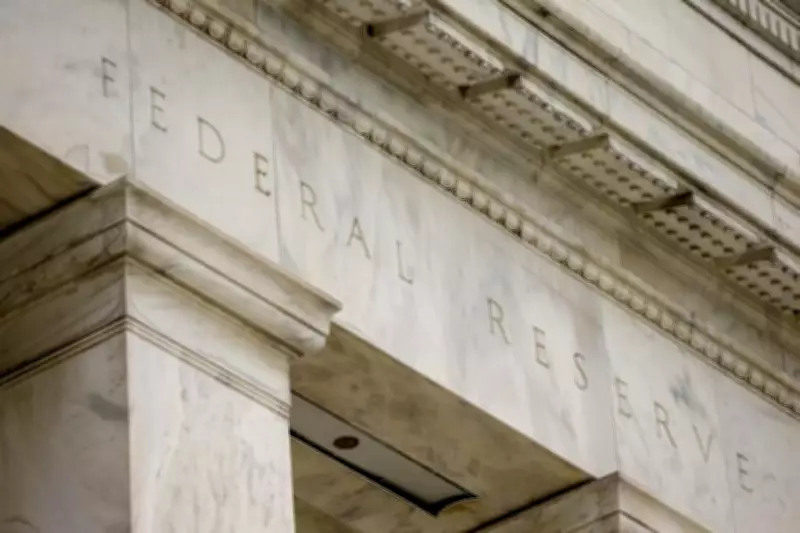
Federal Reserve Poised to Maintain Current Interest Rates Amid Geopolitical Tensions
In a significant shift from earlier projections, the Federal Reserve is reportedly preparing to signal that it will not implement any interest rate cuts for the remainder of 2026. This potential policy stance emerges as the central bank grapples with heightened economic uncertainties triggered by the ongoing war involving Iran. The conflict has introduced substantial volatility into global markets, compelling policymakers to adopt a more cautious approach to monetary adjustments.
Geopolitical Instability Influencing Monetary Policy
The war in Iran has created a complex economic landscape characterized by fluctuating oil prices and disrupted trade routes. These factors are contributing to persistent inflationary pressures, which the Federal Reserve must address through its monetary policy decisions. By holding interest rates at their current levels, the Fed aims to stabilize the economy and prevent further escalation of inflation, which could be exacerbated by the geopolitical turmoil.
Analysts suggest that the Federal Reserve's anticipated announcement reflects a broader strategy to mitigate risks associated with the conflict. The central bank's previous considerations for rate cuts have been overshadowed by the need to maintain economic stability in the face of external shocks. This approach underscores the interconnectedness of global events and domestic economic policies, highlighting how international crises can directly influence financial decisions within the United States.

Market Reactions and Economic Implications
Financial markets have been closely monitoring the Federal Reserve's communications, with investors adjusting their expectations based on the evolving situation in Iran. The prospect of no rate cuts this year has already led to adjustments in bond yields and stock market valuations, as traders recalibrate their strategies to account for a prolonged period of higher interest rates. This environment poses challenges for businesses and consumers alike, potentially slowing economic growth and increasing borrowing costs.
The Federal Reserve's decision-making process is further complicated by domestic economic indicators, such as employment data and consumer spending, which must be balanced against international developments. The central bank's forthcoming statements will be scrutinized for insights into how it plans to navigate these dual pressures, with many experts predicting a emphasis on data-dependent flexibility rather than predetermined rate cuts.
Broader Context and Future Outlook
This potential policy shift occurs against a backdrop of other global economic news, including developments in the Strait of Hormuz, where about 90 ships continue to cross daily as Iran exports millions of barrels of oil despite the war. Such activities underscore the resilience of certain economic sectors even amid conflict, but they also contribute to the uncertainty that the Federal Reserve must manage.
Looking ahead, the Federal Reserve's stance on interest rates will likely remain fluid, with policymakers prepared to adjust their approach based on new data and changing geopolitical conditions. The absence of rate cuts in 2026 could signal a prolonged period of monetary tightening, affecting everything from mortgage rates to corporate investments. As the situation in Iran evolves, the central bank's responses will continue to play a critical role in shaping the economic landscape both domestically and internationally.






