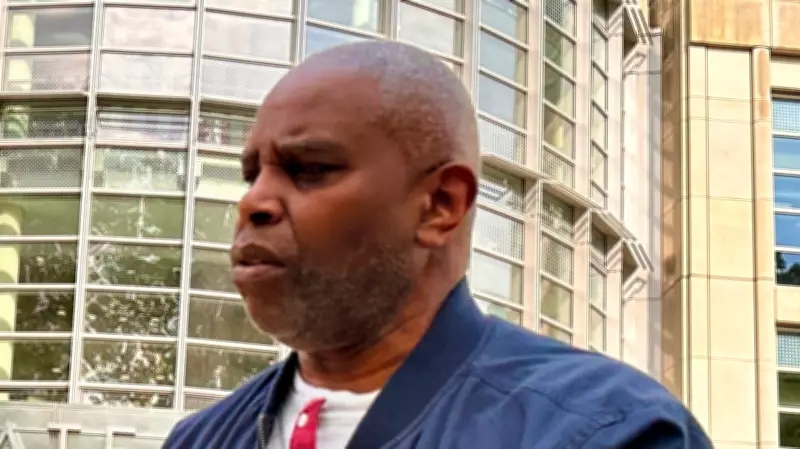
A former New York City judge who resigned last year amid a professional misconduct investigation was charged Wednesday with abusing his position to defraud real estate investors of at least $5 million, using some of the proceeds to pay personal bills.
Arrest and Charges
Edward Harold King, 72, who left the bench at the end of 2025, and Yechiel “Sam” Sprei, 37, a politically connected real estate developer, were arrested by the FBI on wire fraud conspiracy charges. Federal prosecutors allege they tricked two investors into transferring $6.5 million for a fake property bid and failed to return most of the money.
The allegations mirror civil lawsuits and complaints to the state Commission on Judicial Conduct, whose probe led to King’s resignation.

Court Proceedings
Assistant U.S. Attorney Andrew Wang told a judge at the men’s initial court appearance Wednesday that the transaction described in the criminal case was “one of several schemes that the government has been investigating.” Regarding Sprei’s finances, Wang noted “it’s safe to say many, many millions of dollars” have passed through his bank accounts in recent years.
King and Sprei were released on bail and are scheduled to return to Brooklyn federal court on Monday to finalize bond arrangements. King and his lawyer, Michael Vitaliano, declined to comment as they left the courthouse. The former judge cut through trees in a nearby park to avoid reporters and photographers. Sprei’s lawyer, Ezra Lent, also declined to comment.
In court, Wang said that during Sprei’s arrest, the developer lied to FBI agents about having no electronic devices other than his cellphone. Agents executing a search warrant seized the phone and found a second phone while patting Sprei down.
Potential Penalties
If convicted, King and Sprei face up to 20 years in prison. “As alleged, the defendants stole millions of dollars from investors by cynically leveraging King’s position as a sitting judge to lend false legitimacy to supposed investment opportunities,” U.S. Attorney Joseph Nocella Jr. said in a statement.
Background and Resignation
King resigned on Dec. 31, 2025, just three years after becoming a judge, after the Commission on Judicial Conduct informed him of investigations into complaints that mirrored his criminal case. The commission alleged King was involved in a scheme to defraud real estate investors and continued to practice law—including accepting funds into his attorney escrow accounts—despite rules barring full-time judges from practicing law, acting as fiduciaries, or engaging in business activities. King denied the allegations.
The Alleged Scheme
According to federal prosecutors, King and Sprei pitched investors on fictitious investment opportunities with false promises that their money would be kept safe in attorney escrow accounts and returned on demand if investors decided to end their involvement.
In November 2024, prosecutors said, Sprei and King offered two investors an opportunity to buy commercial real estate in Freehold, New Jersey, through a bankruptcy auction. To proceed, Sprei told them, all bidders needed to show “proof of liquidity” by depositing $6.5 million in King’s escrow account. Sprei told investors that King was both an independent escrow agent and a judge.
The investors wired the money to King’s account, where they were told it would remain untouched and not be spent or transferred without their permission. Within days, prosecutors said, King and Sprei transferred several million dollars to a bank account in Sprei’s name.
Later, when investors exercised their right to get the money back, King offered excuses and alternatives, at one point saying he would have his lawyer deposit the funds with an unspecified court. King and Sprei eventually returned $1.5 million but have yet to repay the rest.
King’s Judicial Career
King became a judge in 2023, winning a seat on the New York City Civil Court in Brooklyn, and was appointed to the state’s main trial court in June 2024. Before that, he was in private practice and, according to news articles, was appointed by courts to manage assets in real estate disputes. He also served as an administrative law judge for the city’s Parking Violations Bureau and as legal counsel to the state assembly.

When the state commission accepted King’s resignation, administrator Robert Tembeckjian called the allegations “so egregious as to warrant his permanent departure from the bench.”