

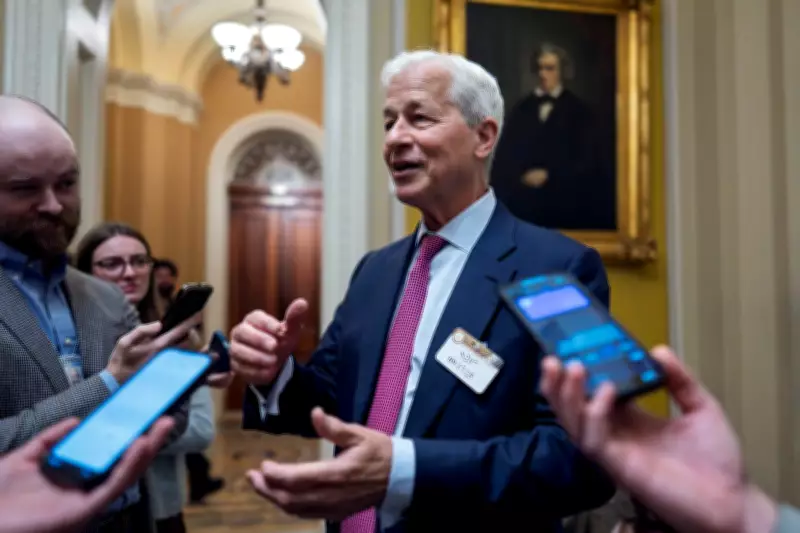
JPMorgan CEO Jamie Dimon Issues Stark Warning on Iran Conflict's Economic Impact
Jamie Dimon, the influential Chairman and CEO of JPMorgan Chase, has raised significant concerns about the potential economic fallout from escalating tensions with Iran. In a recent address, Dimon highlighted that a full-scale conflict involving Iran could act as a catalyst for renewed inflationary pressures and compel central banks worldwide to implement higher interest rates.
Geopolitical Risks and Global Economic Stability
Dimon's warning underscores the delicate balance of the global economy, which remains vulnerable to geopolitical shocks. He emphasized that an Iran war would likely disrupt critical energy supplies and trade routes, leading to immediate spikes in oil and commodity prices. Such disruptions could reignite inflation, which many nations have been striving to control through monetary policy adjustments.
The JPMorgan chief pointed out that central banks, including the Federal Reserve, might be forced to respond with aggressive rate hikes to counteract inflationary pressures. This scenario could slow economic growth, increase borrowing costs for consumers and businesses, and create volatility in financial markets.

Broader Implications for Markets and Policy
Dimon's comments come at a time when investors are closely monitoring geopolitical developments and their potential impact on economic indicators. He noted that while the current economic landscape shows resilience, it is not immune to external shocks. The uncertainty surrounding Iran adds a layer of complexity to fiscal and monetary planning, requiring policymakers to remain vigilant and adaptable.
Furthermore, Dimon discussed the importance of preparedness among financial institutions and governments to mitigate risks. He advocated for robust risk management strategies and international cooperation to navigate potential crises. The warning serves as a reminder that geopolitical events can have far-reaching consequences beyond immediate conflict zones, influencing everything from consumer prices to investment decisions globally.
In summary, Jamie Dimon's alert highlights the interconnectedness of geopolitics and economics, urging stakeholders to consider the broader implications of an Iran conflict on inflation and interest rates. As tensions persist, his insights provide a crucial perspective for understanding potential economic challenges ahead.






