

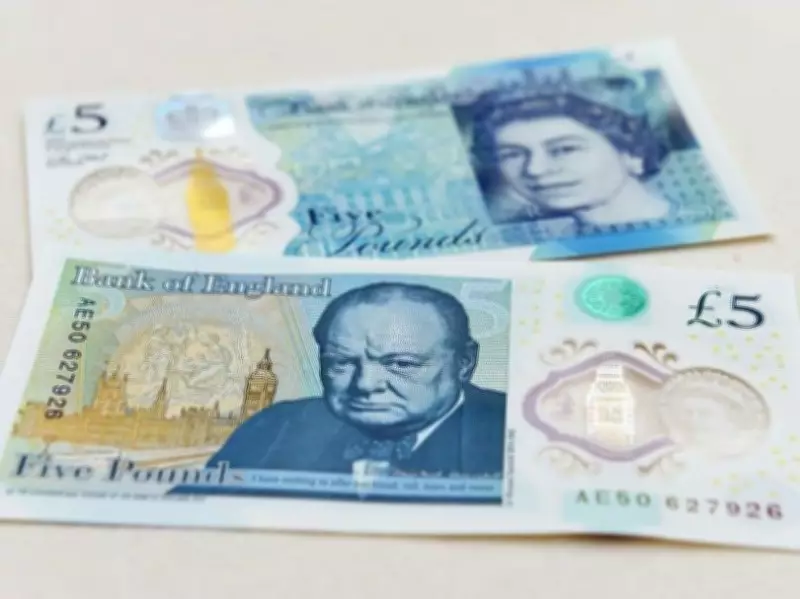
UK Currency Overhaul: Churchill and Other Historical Figures to Be Replaced by Wildlife
The Bank of England has unveiled plans for a sweeping redesign of British banknotes, marking a significant departure from tradition by removing iconic historical figures in favor of celebrating the nation's native wildlife. The controversial decision will see Sir Winston Churchill, the revered Second World War leader and former prime minister, phased out from the £5 note after more than five decades of circulation.
A Shift from Historical Icons to Natural Scenes
This comprehensive currency transformation extends beyond Churchill. Other notable personalities currently featured on UK banknotes will also be replaced as part of the cash image change. Author Jane Austen on the £10 note, artist J.M.W. Turner on the £20, and mathematician Alan Turing on the £50 will all make way for new designs centered around British flora and fauna.
The new banknotes will showcase animals indigenous to the United Kingdom, with potential candidates including badgers, otters, frogs, barn owls, newts, and hedgehogs. These creatures will be depicted alongside native plants and landscapes, creating a visual tribute to the country's ecological diversity. The specific animal selections remain subject to public consultation, with the Bank of England planning to seek citizen feedback later this year.

Official Rationale and Security Considerations
According to the Bank of England's official statement, the redesign represents an opportunity to "celebrate another important aspect of the UK" beyond the historical figures who have previously adorned the currency. For over half a century, British banknotes have featured inspirational individuals who helped "shape national thought, innovation, leadership and values."
Victoria Cleland, the chief cashier for the Bank of England, emphasized that the primary motivation behind the redesign is security-related. "The main reason for the redesign is to stay ahead of counterfeiters," Cleland explained. She noted that nature imagery provides "a great choice from a banknote authentication perspective" while allowing the institution to "showcase the UK's rich and varied wildlife on the next series of banknotes."
The newly designed currency will not enter circulation for several years. When it does appear, the notes will continue to feature the portrait of King Charles III on one side, maintaining the monarchical tradition. Bills bearing the image of the late Queen Elizabeth II will remain valid and in use alongside the new designs.
Political Backlash and Defense of Tradition
The announcement has ignited significant political controversy, with several lawmakers expressing outrage at the decision to remove Churchill from the currency. Ed Davey, leader of the Liberal Democrats, voiced strong opposition on social media platform X, stating: "Let's celebrate our wonderful British wildlife, sure, but Winston Churchill helped save our country and the whole of Europe from fascism."
Davey added pointedly: "He deserves better than being replaced by a badger."
Conservative lawmaker Alex Burghart echoed these sentiments, calling the revision "outrageous" and asserting that Churchill "earned his spot on our five pound note." Burghart declared: "He must not be replaced with an otter," highlighting the emotional connection many Britons feel toward their historical currency icons.
Historical Context and Previous Currency Figures
This is not the first time UK banknotes have undergone significant redesign. Previously issued bills have featured various historical luminaries including author Charles Dickens, physicist Michael Faraday, composer Edward Elgar, nurse Florence Nightingale, and architect Christopher Wren. Each redesign has reflected evolving national values and priorities.
The current £5 note featuring Churchill alongside an image of Parliament has been in circulation since 2016, when it replaced the previous note featuring social reformer Elizabeth Fry. The Bank of England's decision to transition from human historical figures to wildlife imagery represents perhaps the most dramatic shift in British currency design philosophy in modern history.

As the public consultation process begins later this year, debates are likely to intensify between those who view the change as a progressive celebration of Britain's natural heritage and those who see it as an unnecessary departure from honoring the nation's historical achievements and heroes.





