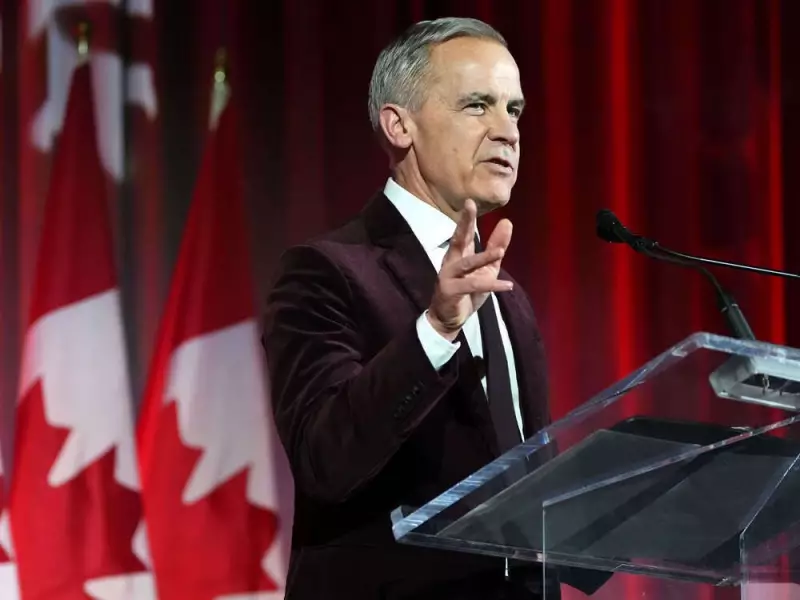
As the holiday season arrives, tax expert Kim Moody reflects on a year of mixed policy gifts from Prime Minister Mark Carney's government, concluding that while some presents were delivered, they are insufficient to counter a growing pile of burdensome tax measures inherited from previous Liberal administrations.
A Sleigh of Limited Tax Gifts
Throughout 2025, the federal government under Prime Minister Mark Carney implemented a handful of tax changes welcomed by many. On December 16, 2025, the Canada Revenue Agency announced that bare trusts would not be required to file tax returns for the year, aligning with proposed legislation still before Parliament.
The federal budget presented on November 4, 2025, brought significant relief by repealing the controversial Underused Housing Tax. Furthermore, the government eliminated the consumer carbon tax and the luxury tax on airplanes and boats. Notably, the luxury tax was retained for automobiles, a decision that has raised questions.

The Growing Pile of Tax 'Lumps of Coal'
Despite these positive steps, Moody argues that the scale of problematic tax policies continues to expand, with the past few years being particularly exceptional. One measure presented as a gift—a one per cent reduction in the lowest personal income tax bracket—translates to a mere $100 per year for the average Canadian. In the face of persistent cost-of-living increases, Moody labels this a lump of coal and an exercise in retail politics.
The government's new budgetary approach, which separates the federal budget into operating and capital components, is criticized as brazenly deceptive. Moody contends this method is designed to mislead financially illiterate voters and should be abandoned.
Complexity and Poor Policy Design
Significant criticism is directed at amendments to the Alternative Minimum Tax (AMT) that took effect on January 1, 2024. Originally promoted by former Prime Minister Justin Trudeau as a way to make the wealthy pay more, the changes are described as poor policy that includes backdoor capital gains tax increases. Moody warns this is creating a chill among philanthropic high-income earners and calls for the AMT's elimination.
The residential property flipping tax, introduced a couple of years ago to target short-term gains, is cited as another example of unnecessary complexity. Moody argues existing tax provisions already address speculative flippers, making this rule a political move that complicates the tax system.
Perhaps the most criticized policy is the recent prohibition on expense deductions for short-term rental owners in municipalities that ban such operations. Moody points out the absurdity that this puts criminal enterprises, like drug dealers who report income, on a better tax footing than non-compliant short-term rental owners, potentially encouraging further tax non-compliance.
In summary, while Santa Carney delivered a few welcomed tax gifts in 2025, the analysis suggests they are dwarfed by a legacy of complex, burdensome, and politically motivated tax policies that continue to weigh on Canadians and the tax system's integrity.