

Canadian Central Banking Leaders Extend Congratulations to Kevin Warsh on Federal Reserve Nomination
In a significant development for North American financial leadership, prominent Canadian figures have voiced their support for Kevin Warsh's nomination to chair the United States Federal Reserve. Former Bank of Canada governor Mark Carney and current governor Tiff Macklem have both offered public congratulations to Warsh, who was nominated by U.S. President Donald Trump on Friday.
Carney's Social Media Endorsement
Mark Carney, who led the Bank of Canada during the 2008 financial crisis and later served as governor of the Bank of England, took to social media to express his approval of the nomination. "Kevin Warsh is a fantastic choice to lead the world's most important central bank at this crucial time," Carney stated in his public message.
Carney's endorsement carries particular weight given his historical working relationship with Warsh. During Carney's tenure at the Bank of Canada from 2008 to 2013, Warsh served on the Federal Reserve's board of governors from 2006 to 2011, creating overlapping periods of significant financial policy coordination between the two institutions.

Macklem's Formal Statement
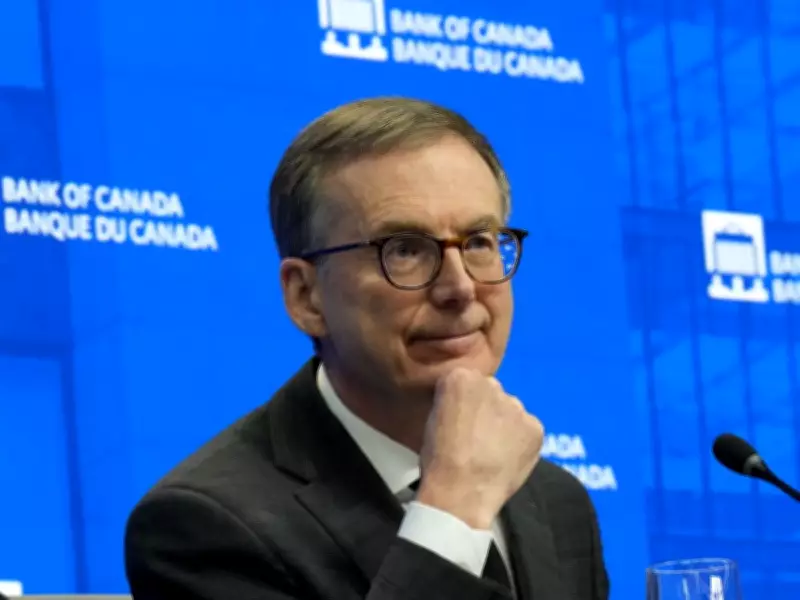
Current Bank of Canada Governor Tiff Macklem also extended his congratulations through an emailed statement to Bloomberg News. "I worked with Kevin during his time as a governor of the Federal Reserve and look forward to working with him again," Macklem said, highlighting their previous professional relationship.
Macklem's statement comes at a time when he has been consistently vocal about supporting current Fed Chair Jerome Powell, who faces political pressure from the Trump administration regarding interest rate decisions. Warsh would succeed Powell when his term concludes in May 2026.
Context of Central Bank Independence
The congratulations from Canadian central banking leaders arrive against a backdrop of ongoing discussions about central bank independence. Following the Bank of Canada's decision to maintain steady interest rates on Wednesday, Macklem emphasized the critical importance of an autonomous Federal Reserve.
"Our financial markets are particularly integrated with the U.S., so it would particularly affect us," Macklem explained, referencing the deep economic and financial connections between Canada and the United States. He further praised Powell's current leadership, stating that the Fed chair is "doing a good job at leading the Fed based on evidence, based on facts. I hope it stays that way."
Warsh's Background and Qualifications
Kevin Warsh brings substantial experience to the potential role, having served on the Federal Reserve's board of governors from 2006 to 2011. During this period, he played a crucial role in navigating the 2008 financial crisis alongside global counterparts including Carney. More recently, Warsh has advised President Trump on economic policy matters, positioning him as a candidate familiar with both institutional operations and current administration priorities.
Canadian Leadership Perspectives
The responses from Carney and Macklem reflect several important dimensions of Canadian financial leadership:
- Both leaders have direct professional experience working with Warsh during critical financial periods
- Their statements underscore the interconnected nature of North American financial systems
- The congratulations come amidst ongoing discussions about central bank autonomy and political pressures
- Canadian officials recognize the global significance of Federal Reserve leadership decisions
Macklem's own career trajectory adds context to his perspective. Having served as deputy governor at the Bank of Canada from 2004 to 2007 and senior deputy governor from 2010 to 2014 before becoming governor in 2020, he brings decades of institutional experience to his assessment of the nomination.
The convergence of congratulations from Canada's current and former central bank governors highlights the international significance of Federal Reserve leadership transitions and the close working relationships that exist between North American financial institutions during periods of economic uncertainty and policy coordination.






