In a landmark financial and political move, Bulgaria has officially adopted the euro as its national currency. This significant transition marks the culmination of a journey that began nearly twenty years ago when the Balkan nation first joined the European Union.
A Long-Awaited Monetary Transition
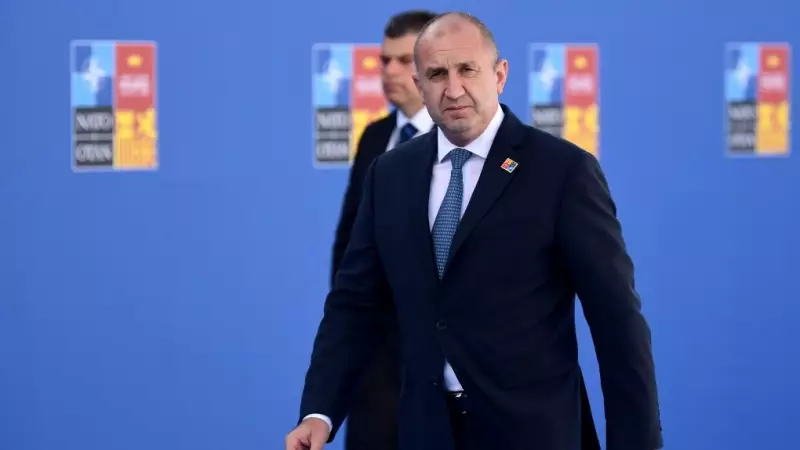
The changeover, effective as of the final day of 2025, sees Bulgaria become the 21st member state to enter the Eurozone. The adoption process involved meticulous planning by the Bulgarian National Bank and government institutions to ensure a smooth switch from the national lev to the common European currency. Bulgarian President Rumen Radev has been a central figure overseeing this national milestone, which symbolizes deeper integration with the core economic and political structures of Europe.
Implications for Bulgaria and the EU
This move is expected to bring both immediate and long-term consequences. For Bulgarian citizens and businesses, it eliminates currency exchange costs and risks in trade with other Eurozone countries, potentially lowering prices for imported goods and simplifying cross-border transactions. For the European Union, Bulgaria's entry strengthens the euro's geographic footprint in Eastern Europe and demonstrates the continuing, albeit slow, expansion of the monetary union despite past challenges.

The path to adoption required Bulgaria to meet strict economic criteria known as the Maastricht convergence criteria, which govern inflation rates, budget deficits, debt levels, and exchange rate stability. Successfully navigating these requirements represents a signal of economic maturity and stability for the country.
Looking Ahead: Challenges and Opportunities
While the adoption is a cause for celebration for many, it also presents challenges. Bulgaria will relinquish control over its independent monetary policy, placing interest rate decisions in the hands of the European Central Bank. Economists will closely watch the impact on domestic inflation and wage growth. However, the prevailing expectation is that increased foreign investment and enhanced trade links will provide a net positive boost to the Bulgarian economy over the coming years.
This historic step, taken nearly two decades after EU accession in 2007, firmly anchors Bulgaria within the heart of the European project and opens a new chapter in its post-communist economic development.