

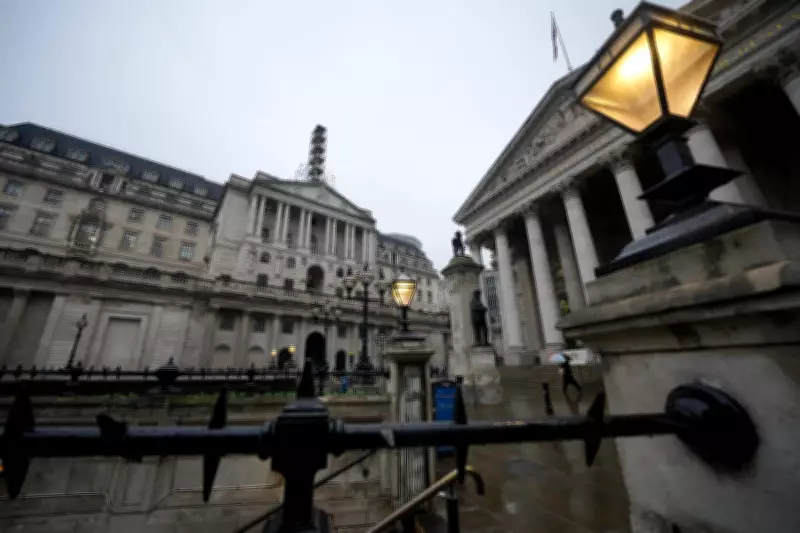
Bank of England Holds Steady on Interest Rates Amid Global Turmoil
The Bank of England has opted to keep its main interest rate unchanged at 3.75%, a decision announced on March 19, 2026, as escalating military conflict in Iran sends shockwaves through global financial markets. This move comes at a critical juncture, with the war jolting inflation expectations and creating significant uncertainty for the UK economy.
Economic Stability in the Face of Geopolitical Unrest
In a statement, the central bank emphasized its commitment to maintaining economic stability despite the volatile international landscape. The decision to hold the rate steady reflects a cautious approach, balancing the need to control inflation with the risks posed by external geopolitical events. Analysts note that the Iran conflict has already led to a surge in oil prices and disrupted trade routes, factors that are likely to exert upward pressure on inflation in the coming months.
The Bank of England's Monetary Policy Committee highlighted that while domestic economic indicators remain mixed, the external shock from the Middle East necessitates a wait-and-see stance. "We are closely monitoring the situation," a spokesperson said, "as the war in Iran introduces new variables into our inflation forecasts." This cautious tone underscores the complexity of current economic policymaking, where local conditions are increasingly influenced by global crises.

Impact on Markets and Investor Sentiment
Financial markets have reacted with heightened volatility following the announcement. Investors are grappling with a cloudier outlook for interest rates globally, as central banks worldwide reassess their strategies in light of the Iran war. The conflict has not only spurred a rise in commodity prices but also heightened risk aversion, leading to slides in emerging market equities and increased demand for safe-haven assets.
Inflation expectations have been notably affected, with many economists revising their projections upward. The war's disruption to energy supplies and broader supply chains is expected to feed into higher consumer prices, potentially complicating the Bank of England's efforts to bring inflation back to its target level. This scenario places additional pressure on policymakers to navigate between supporting growth and containing price rises.
Broader Economic Implications and Future Outlook
The decision to hold rates comes amid a backdrop of other economic challenges, including ongoing trade negotiations and domestic fiscal pressures. While the Bank of England has signaled its readiness to adjust policy if necessary, the immediate focus remains on assessing the full impact of the Iran conflict. Economists warn that prolonged hostilities could lead to more aggressive rate hikes in the future, should inflation spiral out of control.
Looking ahead, the central bank's actions will be closely watched, as its response to this crisis could set a precedent for other nations facing similar dilemmas. The interplay between geopolitical events and monetary policy is becoming increasingly pronounced, highlighting the need for agile and informed decision-making in an interconnected world.






