

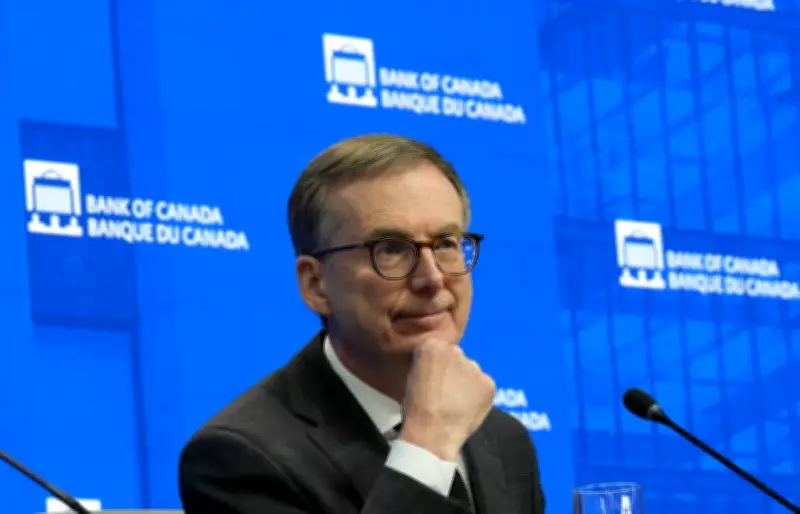
In a significant update on monetary policy, the Bank of Canada has indicated that the trajectory for interest rates is becoming harder to forecast, as mounting risks cloud the economic horizon. Governor Tiff Macklem emphasized this uncertainty during recent communications, highlighting the challenges faced by policymakers in navigating an increasingly volatile landscape.
Increased Uncertainty in Monetary Policy
The central bank's stance reflects a cautious approach amid evolving domestic and global economic conditions. Macklem pointed out that while previous projections provided some guidance, current factors such as inflationary pressures, geopolitical tensions, and supply chain disruptions have introduced greater unpredictability. This makes it difficult for the Bank to commit to a clear path for rate adjustments in the coming months.
Key Factors Influencing the Outlook
Several elements contribute to this heightened uncertainty. First, inflation remains a persistent concern, with core measures showing stickiness despite previous rate hikes. Second, global economic slowdowns in major trading partners could dampen Canada's export-driven sectors. Third, domestic labor market dynamics and consumer spending patterns are showing signs of strain, adding layers of complexity to the decision-making process.

Governor Macklem stressed that the Bank is closely monitoring data and will adjust rates as needed to maintain price stability and support sustainable growth. However, he acknowledged that the increased risks mean forecasts are subject to frequent revisions, requiring a flexible and responsive policy framework.
Implications for Businesses and Consumers
This unpredictability has direct consequences for various stakeholders. Businesses may face challenges in planning investments and expansions due to fluctuating borrowing costs. Consumers could see impacts on mortgage rates and loan affordability, affecting household budgets and spending habits. Financial markets are likely to experience heightened volatility as traders react to shifting expectations around future rate moves.
The Bank's communication aims to manage expectations by being transparent about these difficulties, rather than providing false certainty. Macklem reiterated that the primary goal remains controlling inflation while minimizing economic disruption, but the path to achieving this is now less straightforward than previously anticipated.
Looking Ahead: A Data-Dependent Approach
Moving forward, the Bank of Canada plans to adopt a highly data-dependent strategy, with each policy decision based on the latest economic indicators. This means that rate announcements could become more reactive to short-term developments, rather than following a pre-set schedule. Macklem urged stakeholders to stay informed and prepared for potential shifts, as the economic environment continues to evolve rapidly.
In summary, the Bank of Canada's message is clear: the road ahead for interest rates is fraught with uncertainty, and policymakers must navigate carefully amid increased risks. This development underscores the fragile state of the global economy and the need for vigilant monitoring in the months to come.






