

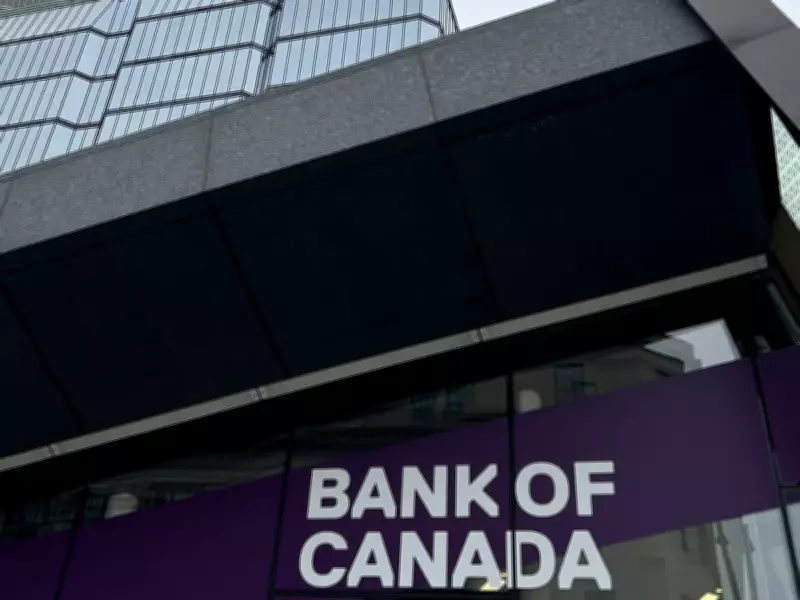
Bank of Canada Halts XTM Over Missing Payments and $19M Trust Deficit
The Bank of Canada has issued a temporary order to stop financial technology company XTM Inc. from handling retail payments, alleging that the firm failed to safeguard client funds, resulting in a significant shortfall and raising serious concerns about compliance with Canadian payment laws.
Details of the Order and Allegations
According to the central bank's notice, XTM is accused of violating the Retail Payment Activities Act, which governs payment processing in Canada. The order is effective for at least 30 days, during which XTM may present arguments to have it revoked. However, the Bank of Canada has not specified the exact amount of money alleged to be missing, leaving the financial impact unclear.
XTM operates a platform, formerly known as AnyDay and now referred to as Everyday, designed to allow employees in the hospitality sector—including restaurants, hotels, casinos, and salons—to access their wages and tips immediately through prepaid cards as soon as they are earned. This service is critical for workers who rely on timely payments for their livelihoods.

Trust Deficit and Industry Response
A notice from the British Columbia Restaurant and Foodservices Association reveals that XTM reported a trust deficit of nearly $19 million on its financial statements. Ian Tostenson, the association's chief executive, informed members that Everyday Payments has failed to provide a clear, coherent, or credible plan to restore the funds or explain the discrepancy.
"Instead, operators may receive highly technical responses that avoid the central question: Where is our money?" Tostenson stated, highlighting the frustration and uncertainty among affected businesses and their employees.
Company's Defense and Legal Complexity
In response, Adam Atlas, a Montreal lawyer retained by XTM, defended the company in an email, asserting that "XTM Inc. did not itself initiate withdrawals from merchant bank accounts that were not authorized by the merchants themselves." He added that the relationship between XTM and its partner, Everyday People Financial Corp., which administers the Everyday platform, is complicated.
On its website, Everyday People Financial clarifies that it is not the legal holder or custodian of merchant or cardholder funds, noting that "the settlement accounts have at all times remained XTM Inc. accounts." This statement underscores the intricate financial and legal dynamics at play, potentially complicating efforts to resolve the issue.
Broader Implications and Next Steps
The situation raises broader questions about the regulation of fintech companies and the protection of client funds in Canada's rapidly evolving digital payment landscape. As the Bank of Canada's order takes effect, stakeholders, including hospitality workers and business owners, are left awaiting further developments and hoping for a swift resolution to recover the missing payments.
This incident serves as a stark reminder of the importance of robust financial safeguards and transparent operations in the technology-driven payment sector, especially as more industries adopt instant payment solutions.






