Bank of America CEO Brian Moynihan Excluded from Trump's Davos Reception
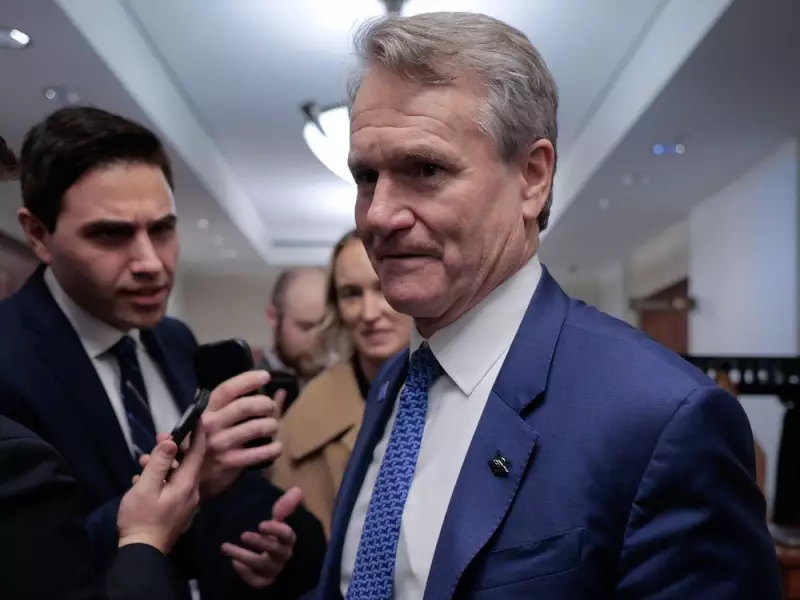
The White House has once again excluded Bank of America chief executive Brian Moynihan from an event involving former President Donald Trump, this time at the World Economic Forum in Davos, Switzerland. This marks the second such snub in recent months and suggests a deepening rift between Trump and the head of the United States' second-largest bank.
Exclusion from Key Financial Gathering
Moynihan was notably absent from a Wednesday evening reception honoring Trump at the prestigious Davos gathering, according to sources familiar with the matter and a guest list reviewed by the Financial Times. The Bank of America CEO stood out as the only major Wall Street bank leader not invited to the event, which included prominent figures from other leading financial institutions.
This exclusion follows a similar pattern from November, when the White House did not extend an invitation to Moynihan for a dinner with Wall Street executives. The repeated nature of these omissions points to more than mere oversight and indicates potential underlying tensions between the Trump administration and Bank of America's leadership.

Contrast with Other Banking Leaders
While Moynihan found himself excluded, other prominent U.S. banking executives received invitations to the Davos reception. The guest list included:
- JPMorgan's Jamie Dimon
- Citigroup's Jane Fraser
- Wells Fargo's Charlie Scharf
This selective invitation pattern highlights the specific nature of the exclusion and suggests targeted action rather than a broad policy toward financial sector leaders.
Debanking Controversy Fuels Tensions
The 66-year-old Bank of America CEO has drawn particular attention from the White House over what Trump has termed "debanking" practices. This refers to allegations that certain individuals or companies have been unfairly denied banking services, potentially for political reasons.
Trump has specifically accused Moynihan of personally refusing to open a bank account for him after JPMorgan closed his account following his departure from the White House in 2021. In August, Trump made pointed remarks about the situation, stating, "Brian was kissing my ass when I was president."
Interestingly, while Trump has also criticized JPMorgan's Jamie Dimon and threatened legal action over debanking concerns, he appears to maintain more cordial relations with the JPMorgan CEO. During his Davos appearance, Dimon made comments supportive of Trump's approach to NATO and European relations, potentially contributing to their continued dialogue despite tensions.
Complex Relationship History
The relationship between Moynihan and the Trump administration has shown moments of engagement alongside these recent exclusions. Last summer, Moynihan visited Trump at the White House after the former president summoned major bank chiefs to discuss potential plans to list mortgage giants Fannie Mae and Freddie Mac. Additionally, the Bank of America CEO attended a state dinner organized around Trump's visit to the United Kingdom in September.
Sources familiar with the bank's relationship with the White House indicate that regular conversations continue with senior officials in Trump's administration, including during the Davos meetings. Moynihan also appeared on a panel with Trump's commerce secretary, Howard Lutnick, earlier on Wednesday at the World Economic Forum.
Industry Implications and Responses
The repeated exclusion of a major banking CEO from presidential events raises questions about the relationship between political leadership and financial institutions. While Bank of America declined to comment on the Davos snub, and the White House did not immediately respond to requests for comment, the pattern suggests ongoing tensions that could influence banking policies and political relationships.

The situation highlights the complex interplay between political figures and financial sector leaders, particularly as debates continue about banking access, political relationships, and the role of major financial institutions in national policy discussions. As both political and financial leaders navigate these relationships, such exclusions may signal broader shifts in how administrations engage with different sectors of the economy.