

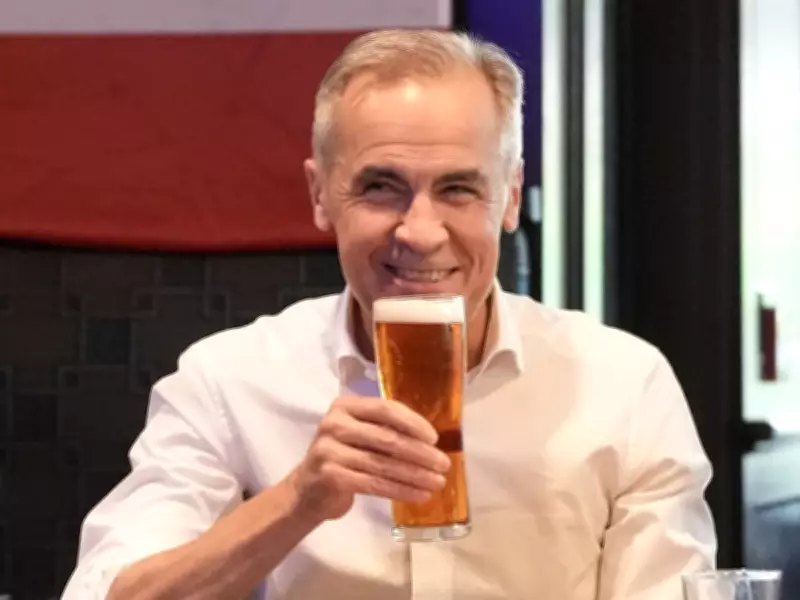
Annual Alcohol Tax Hike Hits Canadians Again on April 1
Canada's annual alcohol excise tax increase took effect on April 1, marking another year of rising costs for beer, wine, and spirit consumers across the nation. This automatic adjustment, which has occurred every year since 2017, continues to draw criticism from industry representatives and consumers alike.
Automatic Increases Since 2017
The federal excise tax on alcoholic beverages automatically increases each April 1 based on the Consumer Price Index. This mechanism, established in 2017, means that regardless of parliamentary votes or political debates, Canadians face higher alcohol prices annually. The tax applies to all alcoholic products produced in or imported into Canada.
Richard Alexander, President of Beer Canada, recently discussed the impact of these consistent tax hikes with political columnist Brian Lilley. Alexander emphasized how these increases affect both consumers and the brewing industry, particularly during challenging economic times.

Economic Impact on Consumers and Industry
The cumulative effect of these annual tax increases has been significant. Since 2017, the excise tax on alcohol has risen substantially, adding to the overall cost of alcoholic beverages at retail locations nationwide. Industry advocates argue that these increases disproportionately affect moderate drinkers and place additional burdens on restaurants, bars, and breweries already facing economic pressures.
"These automatic tax hikes occur without direct parliamentary approval each year," noted Lilley during his discussion with Alexander. "While the government cites inflation adjustments as the rationale, many Canadians are questioning whether this policy remains appropriate given current economic conditions."
Broader Policy Context
The alcohol excise tax represents just one component of the pricing structure for alcoholic beverages in Canada. Provincial markups, sales taxes, and other fees combine with the federal excise tax to determine final retail prices. This layered taxation approach means that even modest increases in the federal excise rate can have noticeable effects at the cash register.
As Canadians adjust to another year of higher alcohol prices, debates continue about the appropriate balance between public health considerations, government revenue needs, and consumer affordability. The automatic nature of these increases means they will continue annually unless legislative changes alter the current framework.
The alcohol industry has consistently advocated for reconsideration of this policy, particularly as inflation affects other aspects of the Canadian economy. With the latest increase now in effect, consumers will see the impact reflected in their purchases throughout the coming year.






