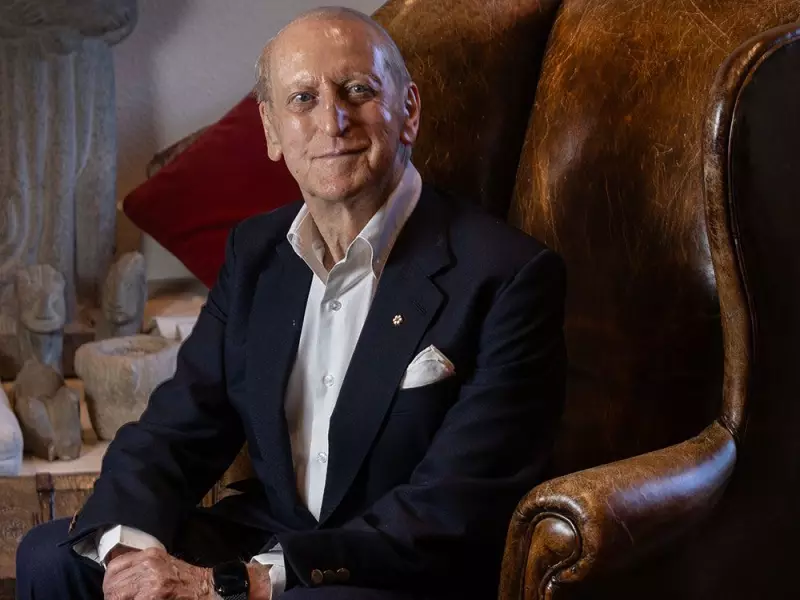
At 90 years old, legendary Canadian investment banker Donald K. Johnson is not slowing down. Instead, he is leveraging his decades of experience and formidable reputation to pursue a new round of tax reforms aimed at encouraging charitable giving, this time with the hope of influencing Mark Carney's Liberal government.
A Legacy of Philanthropic Tax Reform
Johnson, who officially retired as vice-chair of BMO Nesbitt Burns in 2004 but still maintains an office in Toronto's First Canadian Place three days a week, is best known in philanthropic circles for a monumental achievement. In the 1990s, while fundraising for the National Ballet of Canada, he identified a critical barrier: wealthy Canadians were reluctant to donate shares of publicly traded companies because they would be hit with a capital gains tax.
Launching a relentless, decade-long campaign that blended charm with hard facts, Johnson lobbied politicians from both major parties, wrote letters, and mobilized his network. His efforts culminated in a major policy victory in 2006, when the federal government eliminated the capital gains tax on donations of publicly listed securities.

The impact has been profound. Heather McDonald, chief executive of United Way Greater Toronto, stated, "Through Don’s leadership in reforming the tax treatment of donated securities, he helped unlock billions in donations each year for charities across Canada." Her organization alone has received approximately $350 million in donations of public securities since the change.
The New Frontier: Seeking Further Concessions
Now, nearly two decades after his first major victory, Johnson is setting his sights on the next frontier of tax policy to benefit charities. While the specific details of his new proposals are not fully outlined in the report, his intent is clear: to engage with the current political landscape and Mark Carney's Liberals to squeeze out further "good-deed" tax deals.
His approach remains characteristically hands-on and persistent. Johnson, who avoids golf and Florida winters in favour of staying mentally and socially active, continues to work a schedule that includes weekends. He believes in the power of direct advocacy and common-sense persuasion, tools he plans to deploy once again.
A Lasting Impact on Canadian Communities
Johnson's work transcends finance; it's about community building. The billions of dollars unlocked since the 2006 reform have flowed into hospitals, arts organizations, social services, and universities nationwide. McDonald emphasizes that his "legacy will be felt in Canadian communities for generations to come."
As a new government settles in Ottawa, the non-profit sector will be watching to see if this 90-year-old rainmaker can once again engineer a financial windfall for Canada's charitable causes, proving that experience and tenacity are ageless assets in the pursuit of social good.