

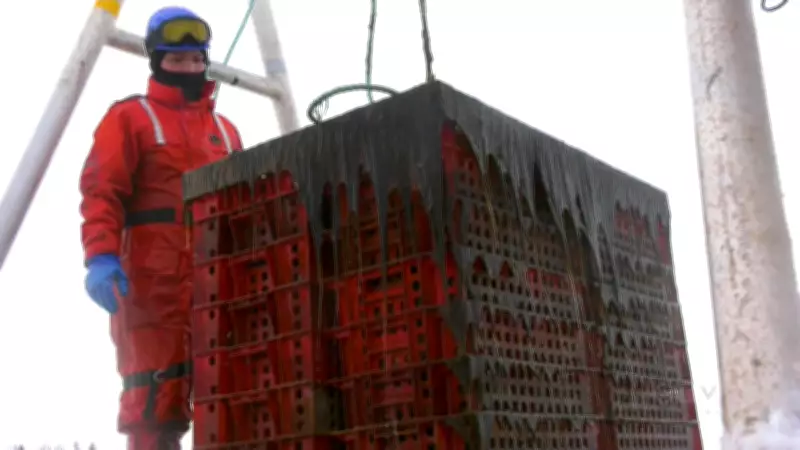
P.E.I. Oyster Farmers Launch Early Winter Harvest to Capitalize on Strong Market Demand
In a testament to resilience and innovation, oyster farmers on Prince Edward Island have commenced their challenging winter harvest season earlier than usual. This strategic move is a direct response to robust market demand for the province's prized shellfish, even during the coldest months of the year.
Mastering the Art of Ice-Covered Harvests
The process of harvesting oysters in winter is notoriously difficult, as the shellfish often lie buried under layers of ice and snow. However, P.E.I. aquaculture professionals have honed specialized techniques over years of experience. These methods allow crews to safely and efficiently access oyster beds that are otherwise inaccessible during typical winter conditions.
Farmers employ a combination of traditional knowledge and modern technology to navigate the frozen landscape. The work requires careful planning and execution, as teams must contend with not only the ice but also the harsh maritime weather that characterizes the region during February.

Economic Drivers Behind the Early Start
The decision to begin harvesting ahead of schedule is primarily driven by strong consumer and commercial demand for fresh P.E.I. oysters. These shellfish have developed a reputation for exceptional quality, making them a sought-after commodity in both domestic and international markets.
The early harvest allows producers to capitalize on premium pricing opportunities during a period when supply is typically constrained. This timing also helps meet orders from restaurants and distributors who value consistent availability of fresh seafood throughout the year.
Challenges and Adaptations in Cold Weather Aquaculture
Winter oyster farming presents unique obstacles that require innovative solutions:
- Ice management: Crews must carefully break through or work around ice formations to reach oyster beds without damaging the delicate shellfish or the surrounding ecosystem.
- Temperature control: Once harvested, oysters must be kept at optimal temperatures to maintain freshness during transportation.
- Worker safety: Operations must account for hazardous conditions including slippery surfaces, freezing temperatures, and potential equipment challenges.
- Environmental monitoring: Farmers continuously assess water quality and oyster health despite the challenging conditions.
These adaptations demonstrate how P.E.I.'s aquaculture sector has evolved to overcome seasonal limitations, transforming what was once a weather-dependent operation into a year-round enterprise.
The Broader Impact on P.E.I.'s Seafood Industry
This early winter harvest represents more than just a seasonal adjustment—it reflects the growing sophistication and economic importance of P.E.I.'s aquaculture sector. The ability to consistently supply premium oysters during traditionally slow periods strengthens the province's position in competitive seafood markets.
The success of these winter operations also supports local employment during months when other maritime industries may experience seasonal slowdowns. This contributes to economic stability in coastal communities that depend on marine resources.
As climate patterns continue to evolve and consumer demand for sustainable seafood grows, P.E.I.'s oyster farmers have demonstrated remarkable adaptability. Their ability to harvest successfully under winter conditions showcases both the resilience of the shellfish and the ingenuity of those who cultivate them.






