In the early 1700s, Finland knew the spectre of famine all too well. After a climate-fuelled disaster killed a third of its population in the 1690s, and with the Great Northern War further disrupting agriculture, the nation took decisive action. In 1726, Finland began setting aside grain reserves to safeguard its people against future emergencies.
A Trend Reversed: The Return of National Granaries
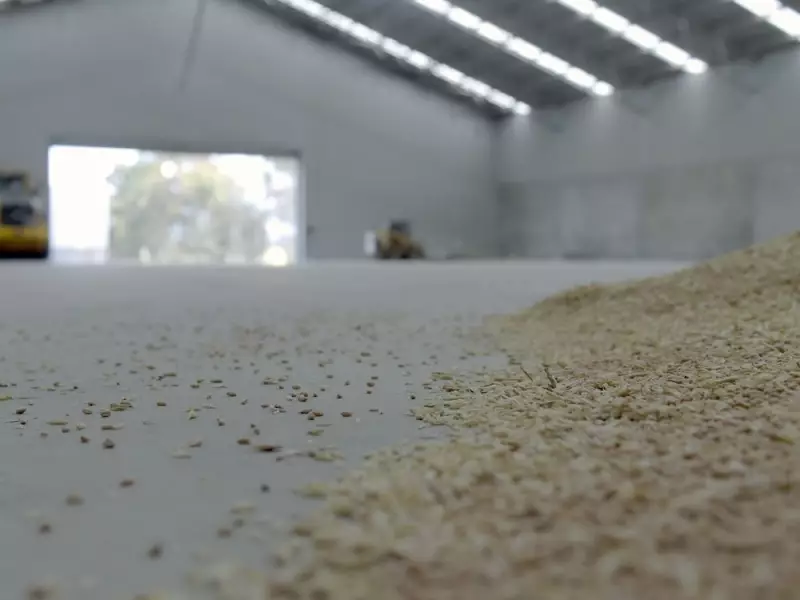
Nearly three centuries later, that same logic of self-preservation is driving policy far beyond the Nordic nation. After decades of dismantling food reserves in favour of reliance on global trade, a growing number of countries are now urgently rebuilding their emergency stockpiles. From Sweden and Norway to India and Indonesia, states are amassing increasing quantities of rice, wheat, and other staples.
This marks a significant reversal. For much of the past thirty years, public food reserves were in retreat across the developed world, deemed unnecessary in an era of open trade and sophisticated logistics. Finland, long considered an outlier for maintaining its extensive reserves, now appears prescient. "When the cold war ended, somehow we were the only ones who stuck with these stockpiles…because you never know what is going to happen," says Miika Ilomäki, chief preparedness specialist for Finland’s National Emergency Supply Agency. He notes that Norway is now rebuilding its grain stockpiles, and Sweden is taking its first steps to do the same.

Converging Crises Drive the Hoarding Mentality
The resurgence of food stockpiling is a direct response to a perfect storm of global shocks. Governments are reacting to pandemic-driven supply chain disruptions, the war in Ukraine, other regional conflicts, increasing climate volatility, and the renewed weaponization of trade. This has fostered a deep-seated belief that global markets can no longer be relied upon in a crisis, and that food, much like energy, must be treated as a strategic asset.
Frederic Neumann, chief Asia economist at HSBC, observes that the actions of Scandinavian countries serve as a key indicator of global geopolitical risk. "The extent that they’re bringing food stocks back up means that they’re perceiving an increased geopolitical stress in the world," he states, adding that "food might be one of the first casualties" of rising tension and protectionism. He warns that once governments begin such interventions, defensive measures can quickly cascade across borders, creating a cycle that is "very hard to turn back."
The Economist's Warning: Prudence or Provocation?
While governments frame stockpiling as a necessary precaution, many economists and trade officials sound a starkly different alarm. They argue that when multiple nations engage in hoarding simultaneously, they risk artificially tightening global supply, which drives up world prices and disproportionately harms the poorest food-importing countries. What looks like prudent domestic policy can therefore export instability and hunger abroad.
This debate exposes a fundamental fault line in global economic thinking. On one side is the strategic imperative for national security and resilience; on the other is the warning that uncoordinated action undermines the very system of trade that has, for decades, helped ensure global food availability. The world is now grappling with whether the race to build national larders will ultimately enhance security or trigger the very shortages and price spikes it aims to prevent.