For Alberta's agricultural producers, the stability of their operations often hinges on a workforce that arrives from abroad. The Temporary Foreign Worker (TFW) program is not merely an option but a fundamental component of the province's farming backbone, providing what many describe as "stable and predictable" labour in an industry fraught with unpredictability.
The Backbone of Harvest and Herd
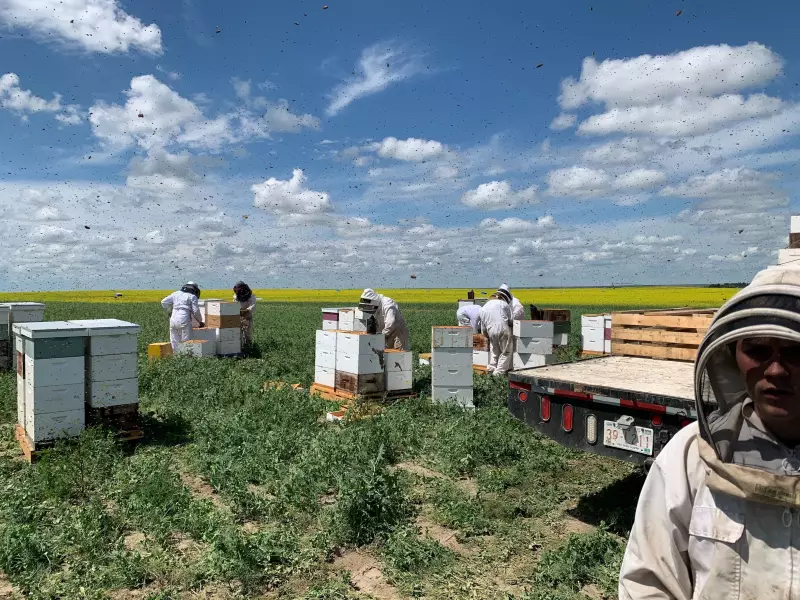
Across Alberta's vast fields and in its livestock operations, temporary foreign workers fill roles that local labour pools consistently cannot. These positions range from seasonal planting and harvest work to year-round care for animals in meat production and dairy farming. The reliance on this program underscores a persistent labour gap in rural Canada, where demographic shifts and urban migration have reduced the available local workforce for physically demanding agricultural jobs.
Farmers point to the program's structure, which allows for the planned return of experienced workers season after season. This continuity is invaluable. Experienced workers require less training, understand specific farm protocols, and contribute to overall operational efficiency and safety. For many farm businesses, the ability to predict their labour force months in advance is directly tied to their ability to plan crop sizes, manage herds, and secure financing.

Navigating Challenges and Ensuring Stability
While indispensable, the TFW program is not without its complexities for farmers. Employers navigate a web of federal regulations, including the Labour Market Impact Assessment (LMIA) process, which aims to prove that no Canadian is available for the job. They also manage responsibilities related to housing, transportation, and ensuring workers' rights are protected. Despite these administrative burdens, the consensus in the sector is that the program's benefits for food production and economic sustainability are paramount.
The alternative—labour shortages—poses a direct threat. Unfilled jobs can lead to crops not being planted on time, harvests left in fields, or animals not receiving adequate care. This has ripple effects on food supply chains, local economies, and Canada's position as a reliable global food exporter. The program's predictability acts as a critical risk mitigation tool against these scenarios.
A Critical Link in Canada's Food Security
The discussion around temporary foreign workers in Alberta agriculture extends beyond individual farms. It is intrinsically linked to national food security and rural community vitality. The spending power of these workers supports local businesses in small towns, from grocery stores to service providers. Furthermore, the consistent production they enable helps stabilize food prices and supply for Canadian consumers.
As debates on immigration and labour policy continue, Alberta's farming community presents a clear case: the TFW program is a pragmatic necessity. It provides the reliable human capital required to manage the land and livestock that feed the nation. For producers, the choice is often framed as one between utilizing the program or scaling back operations, making these workers a cornerstone of the industry's present and future.