Volkswagen AG is facing a sharp decline in sales as the German automaker unveils a comprehensive plan to significantly reduce the number of models it offers, responding to weakening demand and fierce competition in the global auto market.
Sales Drop and Restructuring Plan
The company reported a double-digit percentage drop in sales for the first half of 2026, with global deliveries falling by approximately 15% compared to the same period last year. This decline has prompted Volkswagen to accelerate its restructuring efforts, which include slashing its model lineup by up to 30% over the next three years. The plan aims to streamline operations, cut costs, and focus on higher-margin vehicles, particularly in the electric vehicle segment.
According to a statement from Volkswagen's board, the decision reflects a strategic shift to concentrate resources on core models and emerging technologies. The automaker has been grappling with rising raw material costs, supply chain disruptions, and increasing competition from Chinese and American EV makers.

Impact on Workforce and Production
The restructuring is expected to affect several production plants in Germany and abroad, with potential job cuts looming. Volkswagen has already announced plans to reduce its workforce by 5,000 positions through voluntary buyouts and early retirement programs. The company's supervisory board met on Thursday in Wolfsburg to discuss the proposals, with union representatives expressing concerns over job security.
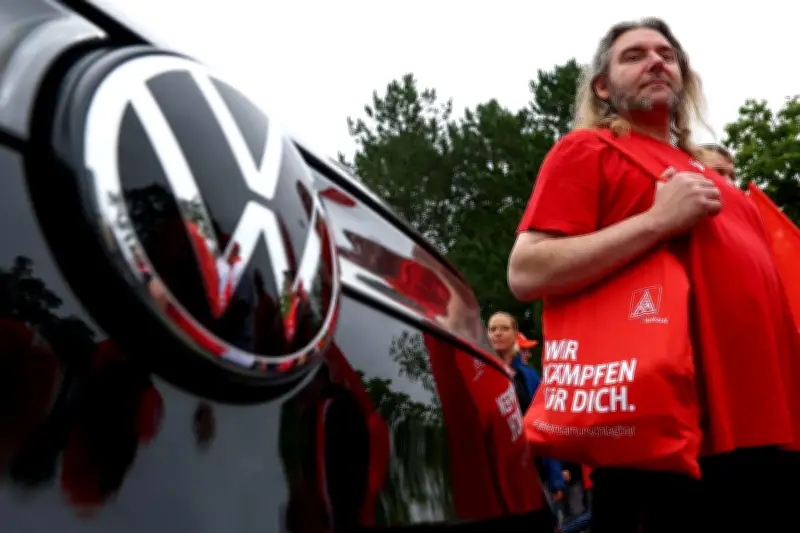
IG Metall, the powerful German metalworkers' union, has criticized the plan, calling for guarantees on employment and investment in future technologies. Employees and union members rallied outside the Volkswagen headquarters during the board meeting, demanding transparency and a commitment to preserving jobs.
Market Challenges and EV Transition
Volkswagen's sales slump is part of a broader trend affecting legacy automakers as they struggle to transition to electric vehicles amid shifting consumer preferences and regulatory pressures. The company's EV sales have grown, but not enough to offset declines in its traditional combustion-engine models. In China, Volkswagen's largest market, sales have dropped by 20% due to intense competition from local brands like BYD and Nio.
To address these challenges, Volkswagen plans to invest heavily in battery technology and software development, with a goal of achieving a 50% EV sales share by 2030. The company is also exploring partnerships with other automakers to share development costs and accelerate innovation.
Financial Outlook and Investor Reaction
Volkswagen's financial outlook remains cautious, with the company revising its 2026 profit margin forecast downward to between 5% and 6%, down from an earlier target of 7%. Investors have reacted negatively, with Volkswagen's stock price falling by 8% following the announcement. Analysts warn that the restructuring could take years to yield results, and the automaker faces significant execution risks.
Despite the challenges, Volkswagen's management remains optimistic about the long-term prospects. CEO Oliver Blume stated in a press release: 'We are taking decisive action to transform Volkswagen into a leaner, more agile company. While the short-term pain is unavoidable, these measures will position us for sustainable growth in the era of electric mobility.'