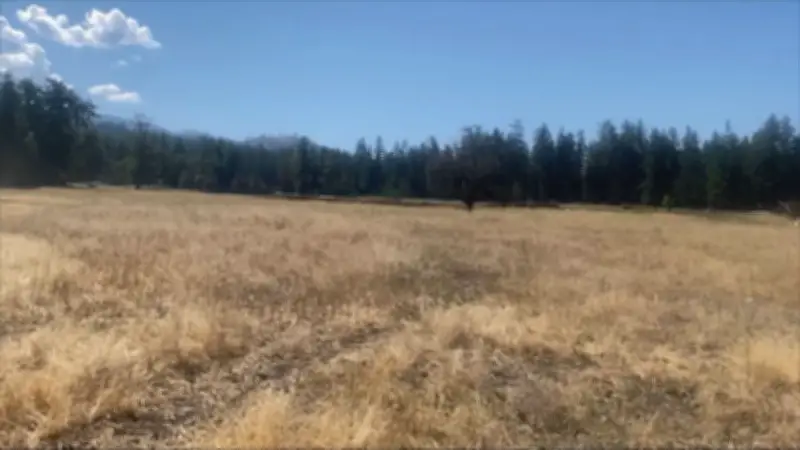
Farmers in Vernon, British Columbia, are expressing growing concern that they may not have enough water to sustain their crops through the end of the summer season. The region is facing ongoing drought conditions, and water restrictions are already in place, raising fears of significant agricultural losses.
Water Scarcity Alarms Agricultural Community
Local growers report that current water levels are insufficient to meet irrigation needs for the remainder of the growing season. Many farms rely on stored water from snowmelt and reservoirs, but below-average precipitation has left supplies critically low. Some farmers have already reduced planting areas and are considering further cutbacks.
Impact on Crop Yields and Livelihoods
The potential water shortage threatens not only this year's harvest but also the long-term viability of farming operations in the region. Crops such as tree fruits, vegetables, and grapes are particularly vulnerable. Farmers warn that without adequate water, yields will drop sharply, leading to financial hardship and possible business closures.

Local agricultural associations are calling on municipal and provincial authorities to prioritize water allocation for farming and to explore emergency measures, such as temporary water transfers or enhanced conservation programs. Some farmers are investing in more efficient irrigation systems, but these solutions require time and capital that many do not have.
Broader Implications for the Okanagan
The situation in Vernon reflects a wider challenge across the Okanagan Valley, where climate change is intensifying drought cycles. Water management officials are under pressure to balance the needs of agriculture, residential users, and environmental flows. Long-term strategies, including improved storage infrastructure and demand management, are being discussed but have yet to be implemented.
Farmers are urging the public and policymakers to recognize the urgency of the crisis. As summer progresses, the window for action is narrowing, and the stakes for the region's agricultural sector have never been higher.