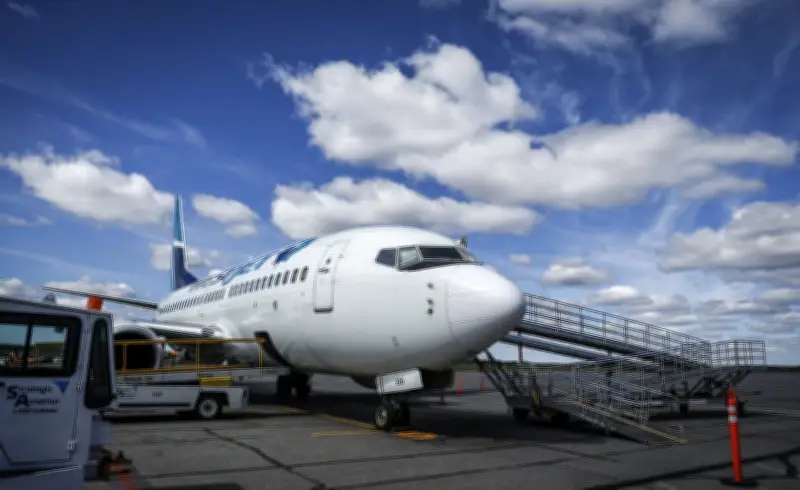
Some airlines are reducing fuel surcharges as oil prices decline, but others are holding steady, leaving travellers with inconsistent savings. The move follows a drop in global oil prices, partly attributed to the recent U.S.-Iran deal, according to industry analysts.
Fuel surcharge adjustments vary by carrier
Robert Kokonis, president and managing director of AirTrav, told BNN Bloomberg that the reduction in fuel surcharges is not uniform across the industry. "Some carriers are passing on the savings to consumers, while others are waiting to see if the price drop is sustained," he said. The price of oil has fallen by approximately 12% since the announcement of the U.S.-Iran agreement, according to market data.
For example, WestJet and Air Canada have both announced reductions in fuel surcharges on select routes, with WestJet cutting fees by up to 15% on domestic flights. However, smaller carriers like Flair Airlines and Swoop have not yet adjusted their surcharges, citing the need for further price stability.

Impact on travellers and industry
The mixed approach means that travellers may need to shop around to find the best deals. "It's a competitive market, and airlines are using fuel surcharges as a tool to manage profitability," Kokonis added. The reduction in surcharges could lower the cost of air travel for some passengers, but the overall impact on ticket prices remains limited, as base fares have not changed significantly.
The drop in oil prices also benefits airlines' operating costs, potentially improving their financial outlook. According to the International Air Transport Association, fuel accounts for about 20% of an airline's expenses. A sustained decline in oil prices could lead to further reductions in surcharges in the coming months, analysts predict.