

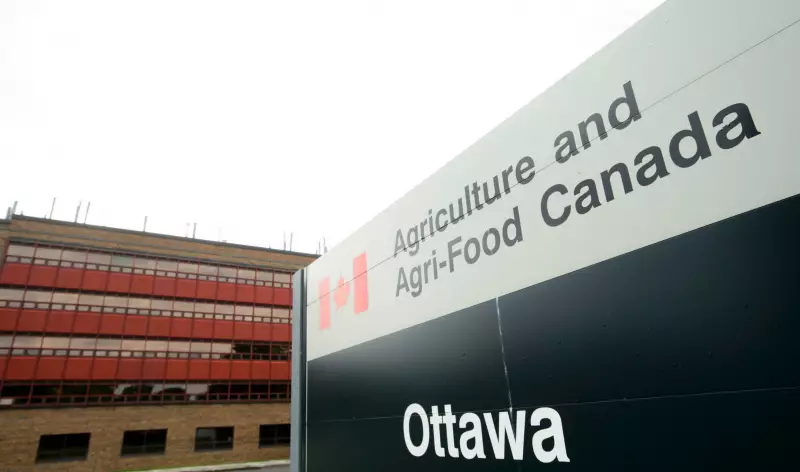
Federal Research Farms in Saskatchewan Slated for Closure Following Funding Reductions
Two significant federal agricultural research facilities in Saskatchewan are set to close their doors permanently due to substantial funding cuts from the federal government. The research farms located in Indian Head and Scott, which have served as vital hubs for agricultural science and innovation for decades, will cease operations as part of broader budgetary constraints affecting Agriculture and Agri-Food Canada.
Impact on Agricultural Research and Development
The closures represent a notable setback for agricultural research in Western Canada, particularly in the prairie provinces where these facilities have contributed extensively to crop development, soil management, and sustainable farming practices. These research stations have been instrumental in advancing agricultural techniques specific to the region's unique climate and soil conditions.
The Indian Head research farm, established over a century ago, has specialized in soil conservation and dryland farming research. Its work has directly influenced farming practices across the Canadian prairies, helping producers adapt to challenging environmental conditions while maintaining productivity.

The Scott research facility has focused on crop breeding and development, particularly for cereal crops like wheat and barley. Its research has contributed to the development of disease-resistant varieties and improved yield potentials that have benefited Canadian farmers for generations.
Broader Implications for Canadian Agriculture
The decision to close these research facilities comes at a time when Canadian agriculture faces multiple challenges, including:
- Climate change adaptation requirements
- Increasing global competition in agricultural markets
- Growing demand for sustainable farming practices
- Need for innovation in crop genetics and soil management
These closures raise concerns about Canada's capacity to maintain its position as a global leader in agricultural research and development. The loss of these specialized facilities may slow progress in addressing critical agricultural challenges facing Canadian producers.
Community and Economic Consequences
The closures will have significant ripple effects beyond the research community. Both facilities employ numerous scientists, technicians, and support staff whose positions will be eliminated. Additionally, these research farms have historically collaborated with local farmers, agricultural businesses, and educational institutions, creating an ecosystem of knowledge exchange and economic activity.
The timing of these closures is particularly concerning as Canadian agriculture seeks to enhance its sustainability and productivity in response to global food security challenges. The specialized knowledge and research capabilities developed at these facilities may be difficult to replicate or transfer to other locations.
As Agriculture and Agri-Food Canada implements these funding-driven closures, questions remain about how the federal government plans to maintain critical agricultural research capacity in Western Canada. The decision highlights ongoing tensions between budgetary constraints and the need for sustained investment in agricultural innovation.






