

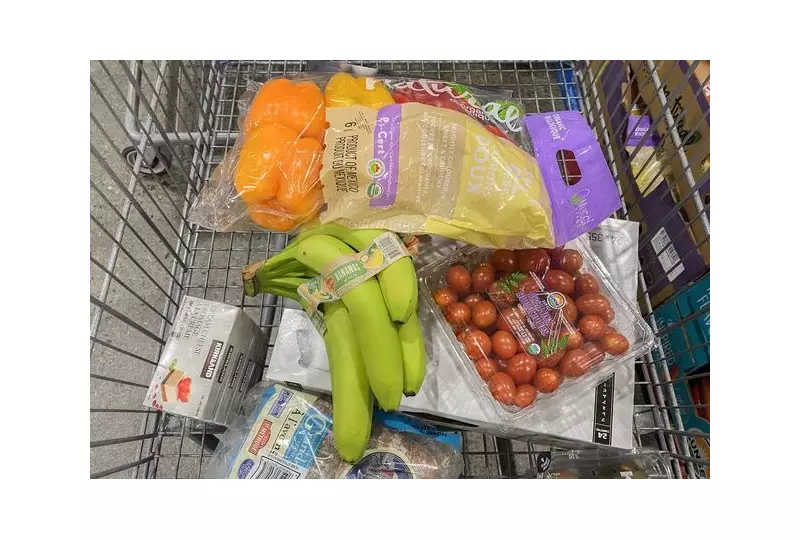
In a bold call for policy change, a leading Canadian food professor is urging the federal government to completely eliminate sales taxes on all food purchases. Sylvain Charlebois argues that ending the GST and HST on groceries represents one of the simplest, fairest, and most effective measures available to immediately address the cost of living crisis.
The Temporary Tax Break That Revealed a Path Forward
About a year ago, the Canadian government conducted a rare experiment: a temporary GST holiday on prepared foods. Despite being short-lived and poorly communicated, Canadians noticed the difference immediately. The unavoidable daily expense of food became marginally less costly, offering families a modest but genuine financial reprieve. Restaurants even experienced a noticeable increase in customer traffic.
For a brief period, the public experienced what it feels like when the government stops taxing the fundamental act of eating. However, when the tax was reinstated, it was often coupled with opportunistic price increases from industry players. This dynamic contributed to pushing Canada's food inflation rate from -0.6% in January of that year to nearly 4% later on. The experiment, Charlebois suggests, may have done more harm than good by creating volatility.

The Hidden Tax in Your Grocery Cart
Many Canadians operate under the mistaken belief that food at the grocery store is not taxed. While "basic groceries" are zero-rated, a vast array of everyday items are subject to GST/HST. Canadians now pay over a billion dollars annually in these taxes on food purchased at supermarkets, and that figure is climbing steadily.
The increase isn't driven by people buying more luxury snacks. Instead, a stealthy trend called "shrinkflation" is systematically pulling more products into taxable categories. Decades-old tax thresholds are being triggered by subtle packaging changes, not changes to the food itself.
How Shrinkflation Turns Tax-Free Food into Taxable
Charlebois provides clear examples of this pervasive pattern. A box containing six granola bars is tax-exempt, but if a manufacturer quietly reduces the count to five bars, the product becomes taxable. The contents are identical, but the tax status flips.
This scenario repeats throughout the store:
- A 650-gram bag of chips shrinks to 580 grams and becomes a taxable single serving.
- Muffins once sold in tax-exempt six-packs are repackaged as three-packs or individual items, instantly qualifying for GST/HST.
- Yogurt, traditionally sold in large tax-free tubs, is increasingly marketed in smaller 100-gram units that meet the definition of a taxable snack.
Crackers, cookies, trail mixes, and cereals have all undergone slight weight reductions that push them over the taxable line. The professor's argument is clear: the current system is outdated and unfairly penalizes consumers for market practices beyond their control.
A Call for Permanent, Structural Change
Instead of temporary, piecemeal fixes that can distort the market, Charlebois advocates for a straightforward and permanent solution: stop taxing food altogether. He positions this not as a novel idea, but as a necessary correction to a flawed policy. Removing the federal sales tax on all food items would provide direct, ongoing relief to every household, particularly those struggling most with high grocery bills.
The proposal challenges policymakers to look beyond complex interventions and consider a direct lever that would make the cost of living tangibly more affordable for all Canadians.






