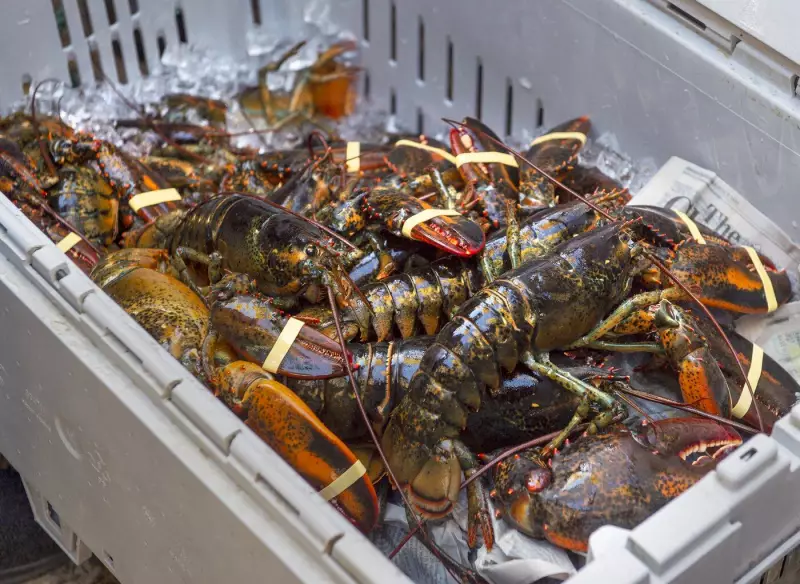
The long-standing culinary practice of boiling lobsters alive is facing renewed ethical scrutiny in Canada, with one academic publicly calling for a ban. The debate centers on whether these crustaceans can feel pain and if current industry standards are humane.
The Case for Ending the Practice
While the specific professor's name was not detailed in the initial report, the argument presented is part of a growing international conversation about invertebrate sentience. Proponents of a ban cite scientific studies suggesting lobsters possess complex nervous systems and may experience significant distress when plunged into boiling water.
The traditional method of preparing lobster by boiling it alive is common in households and restaurants across Maritime provinces and beyond. Advocates for change propose alternative methods considered more humane, such as stunning the lobster electrically or mechanically before cooking.

Potential Impacts on a Key Industry
Any move to legislate against boiling lobsters would have profound implications for Canada's lucrative seafood industry, particularly in Atlantic Canada. Lobster fishing is a cornerstone of the regional economy and cultural identity. A ban would force a significant shift in practices for fishermen, processors, distributors, and culinary establishments.
The discussion is not happening in a vacuum. Several European countries, including Switzerland, Norway, and New Zealand, have already implemented regulations requiring lobsters to be stunned before killing. This places Canada in a position to observe international precedents and their economic effects.
A Complex Ethical and Economic Balance
The professor's call highlights the tension between animal welfare considerations, culinary tradition, and commercial practicality. For consumers, it raises questions about the ethics behind their food choices. For the industry, it presents a potential operational challenge requiring investment in new equipment and training.
As of January 2026, the debate remains largely in the academic and public discourse sphere, without immediate pending legislation. However, it adds to a series of national conversations about food ethics, sustainable practices, and the treatment of animals in commercial settings. The outcome could reshape not only how Canadians cook lobster but also how the country positions its seafood exports in a global market increasingly attentive to welfare standards.