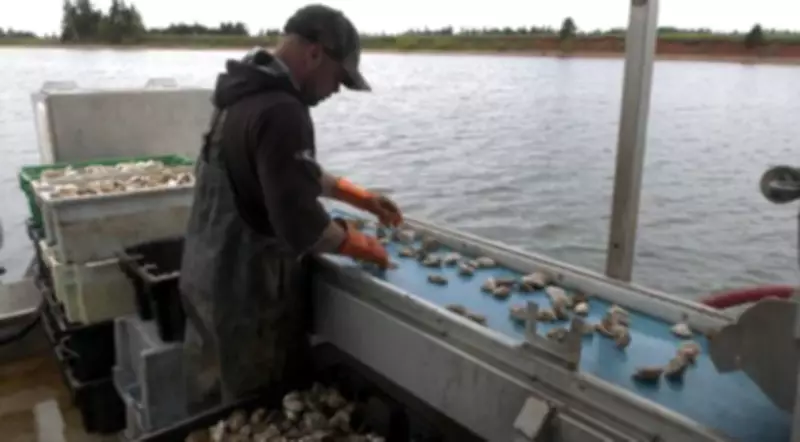
Oyster Industry in Peril
Oyster growers on Prince Edward Island are facing an unprecedented crisis as diseases continue to devastate their farms. Many producers are now considering quitting the industry altogether, a move that could have significant economic and cultural impacts on the region. The situation has escalated rapidly, with several farms reporting catastrophic losses over the past year.
Devastating Diseases
The primary culprits behind the collapse are two diseases: MSX (Multinucleate Sphere Unknown) and Dermo. These pathogens have spread rapidly through the warm waters surrounding the island, infecting oyster populations and causing mass mortality. Unlike previous outbreaks, the current strain appears more virulent and resistant to traditional management practices. Farmers have tried various mitigation strategies, including relocating stocks and adjusting harvesting schedules, but with limited success.
Bruce Richard, a longtime oyster farmer in Alberton, P.E.I., described the situation as dire. "We are losing everything we have worked for," he said. "It is heartbreaking to see our livelihood disappear." Many growers have reported losses exceeding 80 percent of their stock, forcing them to make difficult decisions about the future.

Economic Fallout
The oyster industry is a cornerstone of P.E.I.'s economy, contributing millions of dollars annually and supporting hundreds of jobs. The current crisis threatens not only the farmers but also the entire supply chain, from processors to distributors. Local restaurants and seafood markets that rely on Island oysters are already feeling the pinch, with prices rising and availability declining.
The provincial government has acknowledged the severity of the issue and is working with federal agencies to explore solutions. However, no quick fixes are in sight. Researchers are racing to understand the disease mechanisms and develop resistant oyster strains, but such efforts take years to implement.
Farmers at a Crossroads
For many growers, the decision to quit is not taken lightly. Oyster farming is often a family tradition passed down through generations. The emotional toll is immense, as farmers watch their life's work disappear. Some are considering switching to other aquaculture species, such as mussels or clams, but these alternatives come with their own challenges.
"We are at a crossroads," said another farmer who wished to remain anonymous. "Do we keep fighting an uphill battle, or do we walk away? It is a painful choice." Community support groups have formed to help farmers cope with the stress and explore new opportunities.
Looking Ahead
Despite the bleak outlook, there are glimmers of hope. Scientists are collaborating internationally to find solutions, and some farmers are experimenting with innovative farming techniques, such as off-bottom culture and triploid oysters, which may offer better resistance. Additionally, consumer awareness campaigns are underway to encourage support for local growers.
The coming months will be critical for P.E.I.'s oyster industry. Without significant breakthroughs, the province may see a dramatic reduction in oyster production, altering the landscape of Canadian aquaculture forever.