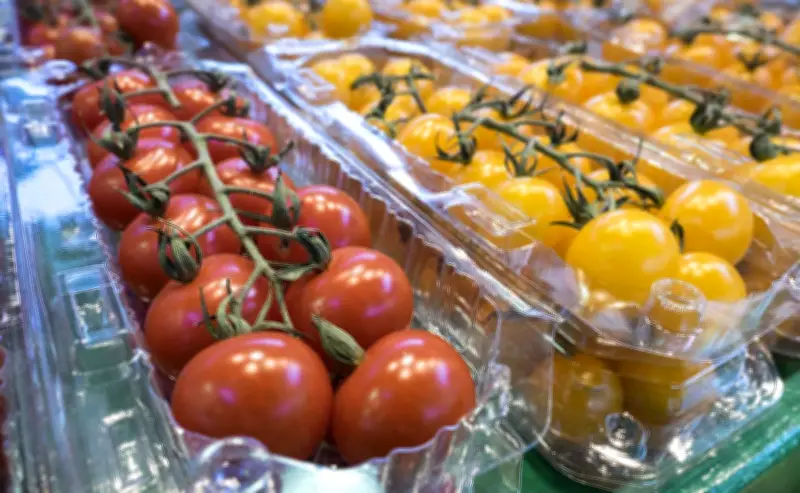
Food inflation in Canada outpaced overall inflation in May, driven by rising prices for fruits and vegetables, according to data released by Statistics Canada on Tuesday. The annual rate for food purchased from stores rose to 8.5%, up from 7.8% in April, while overall inflation held steady at 3.1%.
Produce Prices Lead the Surge
Fresh fruit prices climbed 10.4% year-over-year, while fresh vegetable prices increased 9.8%. Tomatoes, lettuce, and apples saw the sharpest increases. The report attributed the rise to supply chain disruptions and adverse weather conditions in key growing regions.
“Consumers are feeling the pinch at the grocery checkout, especially for fresh produce,” said economist Maryam Shah of the University of British Columbia. “These items are essential, and price hikes hit household budgets hard.”

Other Food Categories Also Rise
Meat prices rose 6.2%, dairy products increased 5.1%, and bakery items were up 7.3%. Non-alcoholic beverages saw a 9.1% jump. Overall, the food category contributed significantly to the consumer price index, accounting for nearly a third of the total increase.
The Bank of Canada has cited persistent food inflation as a concern in its monetary policy decisions. Governor Tiff Macklem noted that while overall inflation is trending down, food prices remain sticky.
Impact on Households
Lower-income households are disproportionately affected, spending a larger share of their income on food. The data shows that food inflation has exceeded overall inflation for 14 consecutive months. Advocacy groups are calling for targeted support, such as increased grocery rebates.
“This is a crisis for many families,” said food security advocate Rachelle LeBlanc. “We need immediate action to ensure access to nutritious food.”