

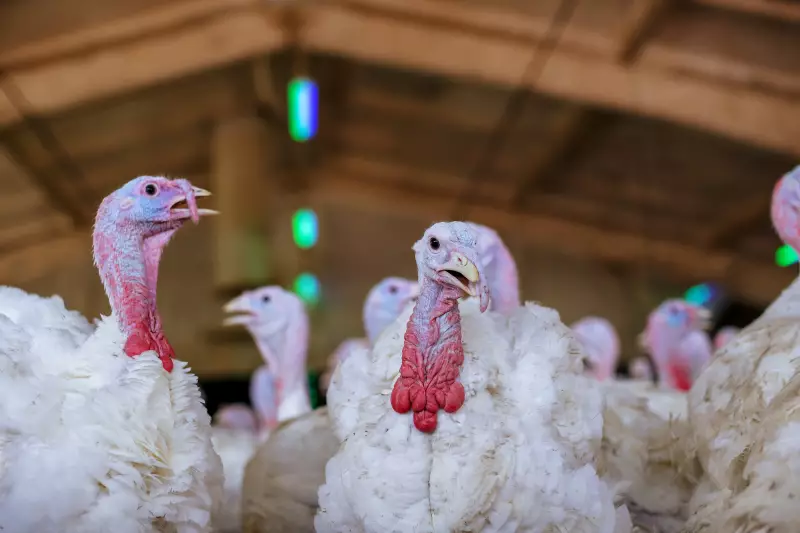
A major outbreak of highly pathogenic avian influenza (HPAI) has been confirmed at a commercial turkey farm in Perth County, Ontario, leading to the devastating order to euthanize all 56,000 birds on the premises. The Canadian Food Inspection Agency (CFQA) announced the measure on December 20, 2025, in a bid to contain the rapidly spreading virus.
Swift Action to Contain the Outbreak
The CFQA, in collaboration with the Ontario Ministry of Agriculture, Food and Rural Affairs, moved quickly after confirming the presence of the H5N1 strain of bird flu. Under Canada's established disease response protocol, the immediate depopulation of the infected flock is a critical step to prevent further transmission. A strict quarantine zone has been established around the affected farm, controlling the movement of poultry, products, and equipment.
"Our primary focus is on preventing the spread of the disease to protect other poultry farms in the region and across the province," a CFQA spokesperson stated. The agency has initiated trace-out and trace-in activities to determine the origin of the virus and identify any potential exposures at other locations.

Economic and Emotional Impact on Farmers
The loss of 56,000 turkeys represents a severe financial blow to the farm operator and underscores the persistent threat avian influenza poses to Canada's poultry sector. Beyond the immediate economic loss, the emotional toll on farming families who must destroy their flocks is profound.
This incident is part of a worrying pattern of avian flu resurgences in North America. The virus is often spread by migratory wild birds, making biosecurity on farms paramount. Producers are being urged to reinforce strict protocols, including:
- Limiting access to barns for essential personnel only.
- Ensuring thorough cleaning and disinfection of all equipment and vehicles.
- Preventing contact between domestic poultry and wild birds.
- Monitoring flocks closely for any signs of illness, such as sudden death, reduced feed/water intake, or respiratory distress.
No Immediate Threat to Food Safety or Public Health
Officials have been quick to reassure the public that this outbreak does not pose a food safety risk. Properly cooked poultry and eggs remain safe to eat. The CFQA also emphasizes that the risk to human health from this strain is currently very low for the general public, though those with direct contact with infected birds should take precautions.
The birds from the infected farm will not enter the food system. They will be euthanized humanely and disposed of in an approved manner under CFQA supervision. The agency will oversee a thorough cleaning and disinfection of the farm premises before any new birds can be introduced, a process that will take several weeks.
This outbreak serves as a stark reminder of the vulnerability of modern agriculture to animal diseases and the constant vigilance required to safeguard Canada's food supply and agricultural economy.






