

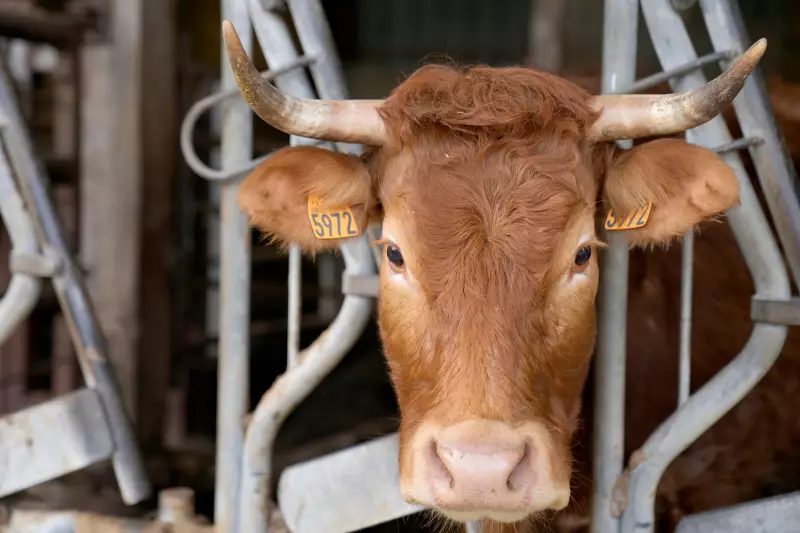
French agricultural communities are in an uproar, with farmers taking to the streets in protest. The central issue fueling their anger is the outbreak and management of a serious viral infection known as lumpy skin disease. This cattle illness poses a significant threat to livestock health and farmer livelihoods, creating a flashpoint of tension in the European nation.
What is Lumpy Skin Disease?
Lumpy skin disease is a viral infection that affects cattle. It is caused by a virus from the poxvirus family and is primarily transmitted by blood-feeding insects, such as certain species of flies, mosquitoes, and ticks. The disease does not pose a risk to human health but has severe consequences for bovine populations.
The symptoms in cattle are distinct and often distressing. Infected animals typically develop firm, raised nodules or lumps on their skin, which can appear all over the body. Other common signs include high fever, a sharp drop in milk production, weight loss, and lesions in the mouth and respiratory tract. In pregnant cows, the disease can lead to miscarriage. While the mortality rate is often relatively low, the economic damage is high due to reduced milk yield, damaged hides, and lost fertility.

Why Are French Farmers So Angry?
The protests stem from a combination of fear and frustration. Farmers are deeply concerned about the potential for the disease to spread into and within France, which could devastate herds and cripple their businesses. The anger is directed at perceived inadequate measures and support from government and European Union authorities.
Many farmers argue that biosecurity protocols and border controls for livestock are insufficient to prevent the disease's incursion from neighboring regions where it has been detected. There is also significant discontent regarding the financial compensation models for animals that must be culled to prevent spread, with farmers feeling the payments do not cover their real losses or the long-term impact on their operations. This agricultural crisis adds to existing pressures on farmers, including rising costs and stringent environmental regulations.
Broader Implications and Outlook
The situation in France highlights the constant vulnerability of the agricultural sector to animal disease outbreaks. Lumpy skin disease has previously caused major economic losses in parts of Asia, Europe, and Africa. Its control relies heavily on vaccination campaigns, movement restrictions, and insect control, all of which are logistically challenging and costly.
For Canadian readers, especially those in the agricultural sector, the events in Europe serve as a stark reminder of the importance of robust animal health surveillance and biosecurity. While the disease is not currently present in North America, global travel and trade increase the risks of its introduction. The protests underscore the very real economic and emotional toll such diseases exact on farming communities, where livestock are both a livelihood and a way of life.
The resolution to the French farmers' anger will likely require a multi-faceted approach: more effective disease monitoring, fair and timely compensation schemes, and clear communication between authorities and the agricultural industry to build trust and ensure a united front against the threat of lumpy skin disease.






