Students at a Laval high school are getting their hands dirty for a greener future. A new pilot project is immersing them in the world of urban agriculture, teaching valuable lessons about food production, sustainability, and environmental stewardship right on their school grounds.
Hands-On Learning in the School Garden
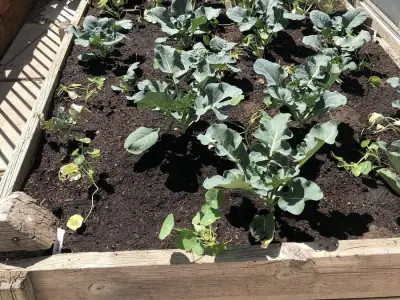
The initiative, which began recently, moves education beyond the traditional classroom. Instead of just reading about plant biology or food systems, students are actively involved in the entire process. They are responsible for growing a variety of vegetables, from seed to harvest. This experiential learning model provides a tangible connection to the food they eat and the environment they live in.
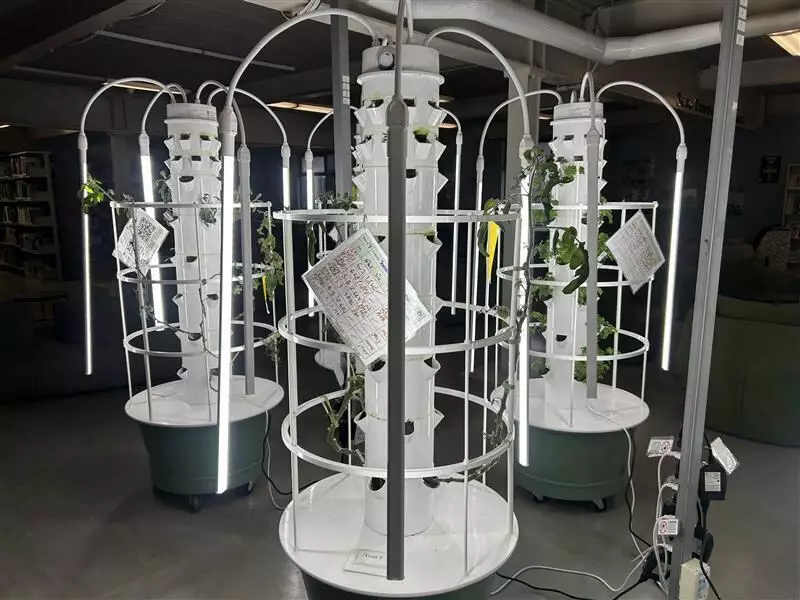
The project aims to equip young people with practical knowledge about where their food comes from and the challenges of modern agriculture. In an increasingly urbanized world, understanding how to cultivate food in limited spaces is becoming a more relevant skill. The students learn about soil health, water management, plant nutrition, and the seasonal cycles of growth.

Beyond Vegetables: Cultivating Environmental Awareness
While the primary activity is growing vegetables, the program's goals are much broader. Educators designed the pilot to foster a deeper sense of environmental responsibility. By participating in the growing process, students gain first-hand insight into the resources and labor required to produce food. This often leads to a greater appreciation for local produce and a more critical view of long-distance food supply chains.
The project also touches on important themes like food security, sustainable living practices, and community resilience. Discussions naturally extend to topics such as reducing food waste, composting, and the environmental impact of different farming methods. For many students, this is their first sustained encounter with gardening, making it a potentially transformative experience.
A Model for Future Educational Programs
As a pilot project, its success will be closely monitored by the school and potentially other educational institutions in the region. If proven effective, it could serve as a model for integrating practical, sustainability-focused education into more school curricula across Canada. The skills learned—patience, responsibility, problem-solving, and scientific observation—are transferable to many areas of life and future careers.
This initiative in Laval represents a growing trend in education that prioritizes real-world, ecological literacy. It prepares students not just for exams, but for engaged citizenship in a world facing complex environmental challenges. By investing in such programs, schools are helping to grow a new generation of informed and proactive environmental stewards.